
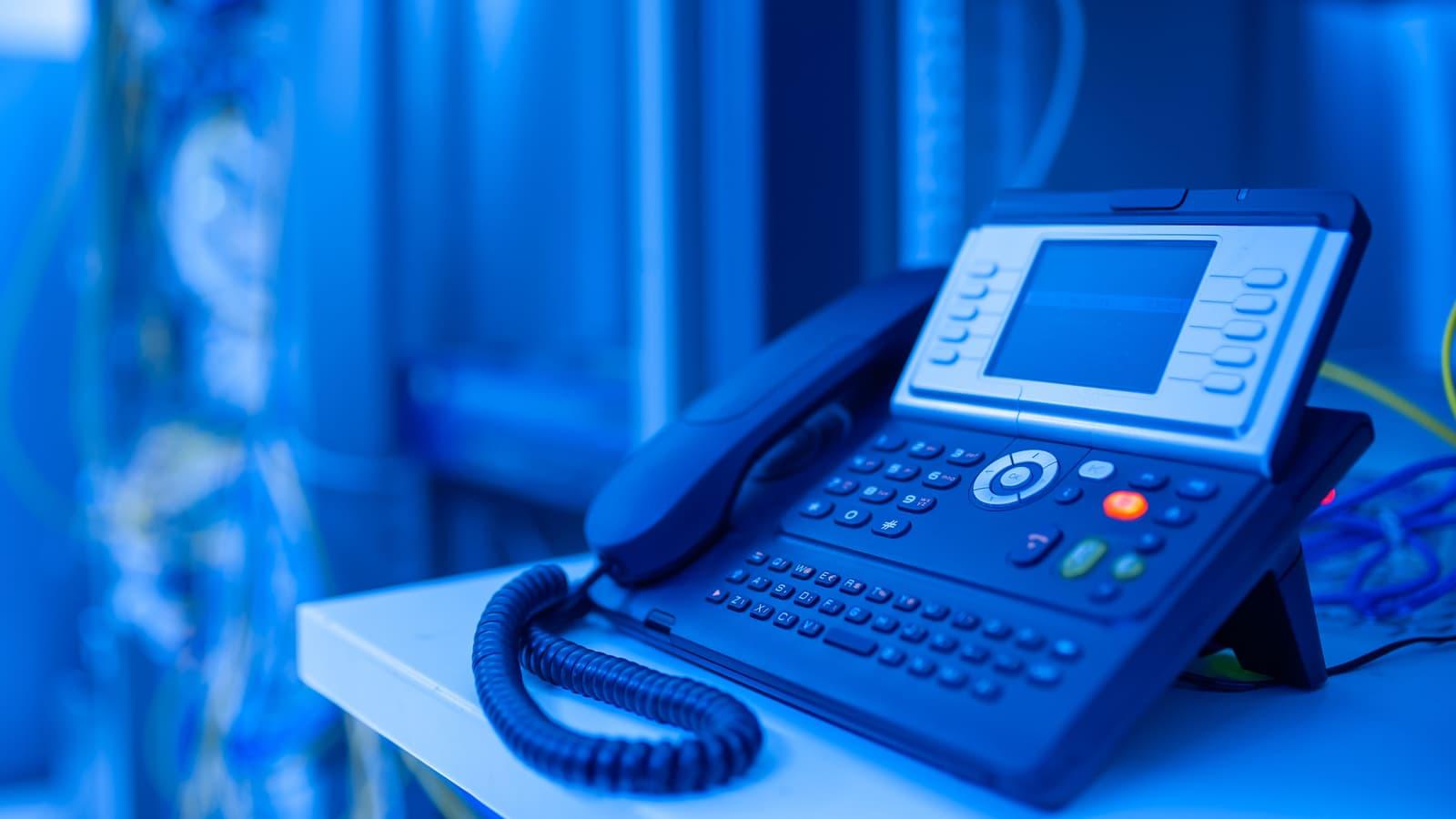
Commercial VoIP phone service for Bay Area businesses
We put your desks on a hosted phone system and move every fax, intercom and alarm line with them. Across the Bay Area we also run the circuit under your calls, so one company answers for both. Outside the Bay Area, we sell business VoIP and POTS replacement nationwide.
Who our business VoIP is for
Offices whose phone system is out of support
The PBX in the closet is past its last update, and each repair part is harder to find than the one before. A hosted system replaces it outright.
Teams keeping the PBX they already bought
A phone system that works, that people are trained on and that has years left in it. Changing only the lines underneath it is a smaller and cheaper job than replacing the system on top.
Teams that answer customers by phone
A front desk, a dispatch line or a support queue, where a missed call is a lost customer and the greeting is the first thing a caller hears.
Medical, dental and legal offices
Practices whose number is printed on referral lists, licenses and court filings, and whose fax line is still how a pharmacy or opposing counsel reaches them. The porting plan matters more here than the handsets, because the number is the asset.
Several addresses around the bay
Three or four Bay Area sites that want to work as one phone system, on one bill. Each address still gets its own site check, because a circuit enters every building differently.
A building coming off analog lines
One address, a key system or a small PBX, and a handful of analog lines the telephone company still bills for. Moving the phones and those lines together gives the whole cutover one owner.
Which phone setup fits your building
For most offices we recommend our hosted phone system, with a gateway for each fire panel, elevator or fax line. A SIP trunk makes sense only when the PBX you own still has years of life in it.
Our pick for most offices
Cloud PBX (hosted seats)
We run the phone system for you: VoIP phones, virtual phone numbers, visual voicemail, call routing, conferencing, mobile access and contact center IVR, with nothing to maintain in the closet.
Choose it when your phone system is old or out of support, or you want one company for the phones and the circuit under them.
Analog gateways
Fire panels, elevator phones, fax machines and intercoms keep working on our voice service.
Choose it when the building has analog devices. They go with either option for the desks.
SIP trunk to your PBX
Keep the PBX you own; we replace only the lines that feed it.
Choose it when your PBX works and has years left. Ask us whether we can trunk your model.
What a SIP trunk needsEvery site is quoted from a free estimate with no obligation, and the bill has no overage, exchange or option fees.
How the three compare
| Question | Cloud PBX (hosted seats) | Analog gateway for one device | SIP trunk to your PBX |
|---|---|---|---|
| What it replaces | Cloud PBXThe phone system itself | Analog gatewayOne copper line to one device | SIP trunkOnly the lines into your PBX |
| What stays on site | Cloud PBXHandsets, cabling and a switch that powers them | Analog gatewayThe device, untouched | SIP trunkYour PBX, voicemail and handsets |
| Who has to learn something new | Cloud PBXEveryone who answers a phone | Analog gatewayNobody; contractors test the line | SIP trunkNobody at a desk |
| What it needs from the circuit | Cloud PBXUp whenever anyone might dial | Analog gatewayVery little bandwidth | SIP trunkUp whenever anyone might dial, but internal calls stay local |
| When the path fails | Cloud PBXCalls forward to mobiles, if set up beforehand | Analog gatewayDial tone drops, and a monitored line must raise a trouble | SIP trunkOutside calls stop; internal calls carry on |
| Where it usually fits | Cloud PBXA phone system at the end of its life | Analog gatewayA few analog lines and a fire panel | SIP trunkA good phone system on a costly bill |
Two customers who moved their phones to us
Customer calls, tested side by side first
A small business that ran its customer service by phone was wary of moving those calls to VoIP, a technology it had not used. We set our internet and VoIP up next to its existing service and supported the team for two weeks while it judged call quality for itself. Speed and call quality both improved, the business moved its internet and phones to us, and its monthly costs fell by over 40%.
SMB Saves 40% With WilloWeb’s Integrated Internet & VoIP Services
A high-rise’s back office, intercoms and lockers
The building’s back-office phone system was old and expensive to keep. We brought the building onto our backbone and put its back office on our VoIP, together with its intercoms and vendor systems such as the package lockers and package monitoring. Reusing the building’s existing cabling where it could, the project cut its communication costs by over 50%.
Seamless Connectivity Upgrade for High Rise Efficiency and Modernization
Business VoIP call quality is decided by the circuit underneath it
Every hosted phone system runs over an internet connection. When a national platform sells you the phones but not the connection, its support desk sees only its own side: it can report that side healthy while your calls keep breaking up, and the circuit becomes yours to chase. We sell the voice service, and across the Bay Area we run the circuit under it as well: symmetrical from 200 Mbps to 10 Gbps, never capped or throttled, and always on a static IP.
One walk-through for the phones and the circuit
The technician who surveys your building for voice also works out how our circuit gets in, so a single quote covers both.
A cutover we can see end to end
We move your numbers onto a circuit we run, so a call that breaks up during the move is ours to trace, from the handset back to our network.
One number to call when calls stop
You call us, and we check the voice service and the circuit together. For a site that cannot be without phones, we build a second path into the building through internet redundancy and failover.
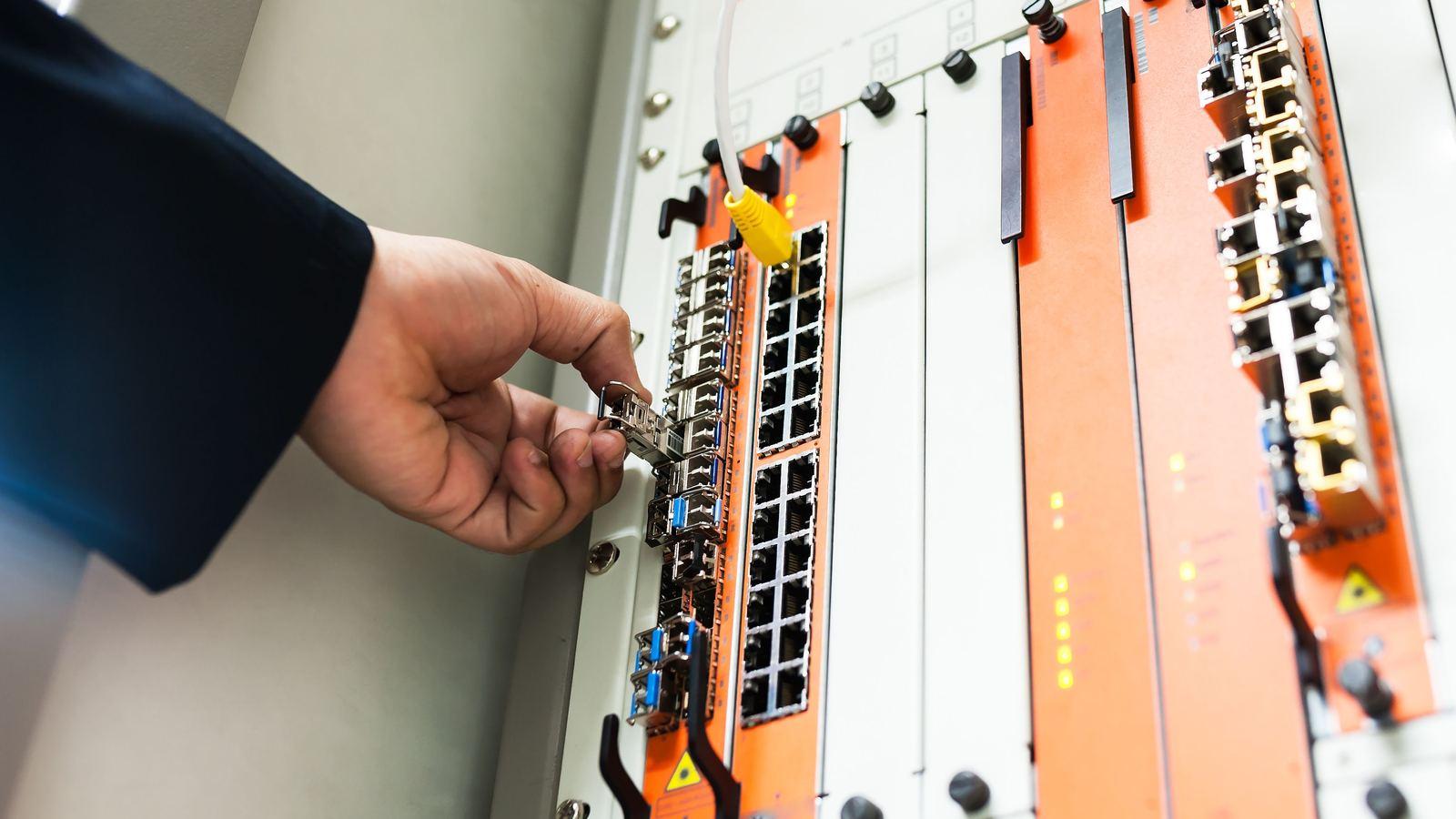
What is still wired into your phone system
Before anyone prices seats, walk the building with the phone bill and pair each billed line with the device it feeds.
Intercom and overhead paging
Find out how the paging amplifier is triggered today: by a dry contact, a dedicated station port or a page zone dialed as an extension. Each takes a different connection, so settle it before the order.
Fax
A fax machine runs over an adapter, and it is the device most sensitive to how the audio travels. Check first whether the number still receives anything; a fax line nobody uses costs less to cancel than to convert.
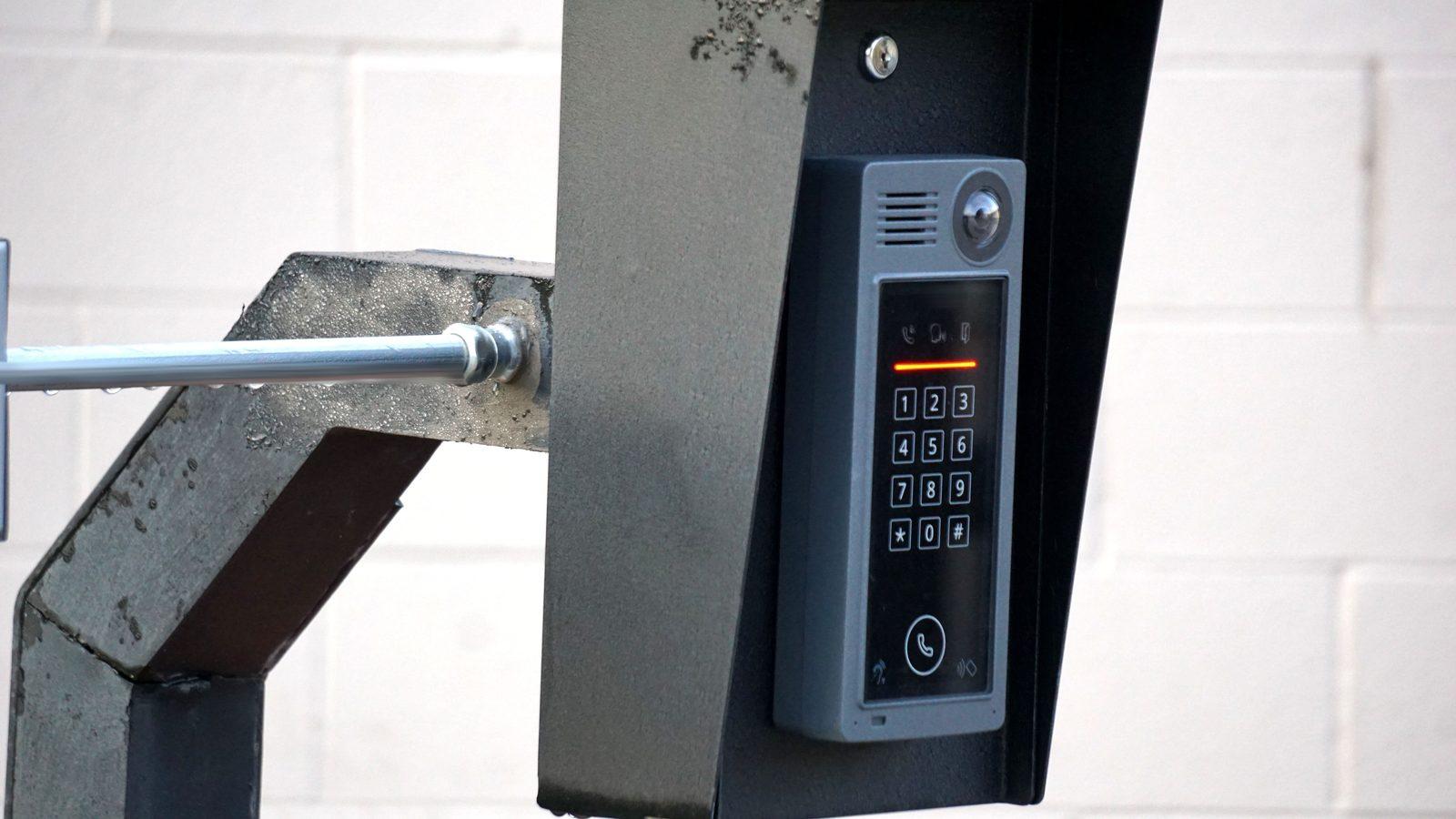
Gate and lobby callboxes
A callbox dials a list of numbers and waits for a tone back to release the door strike. Dialing out is easy. Whether that tone comes back through the new path in a form the box recognizes is tested on site.
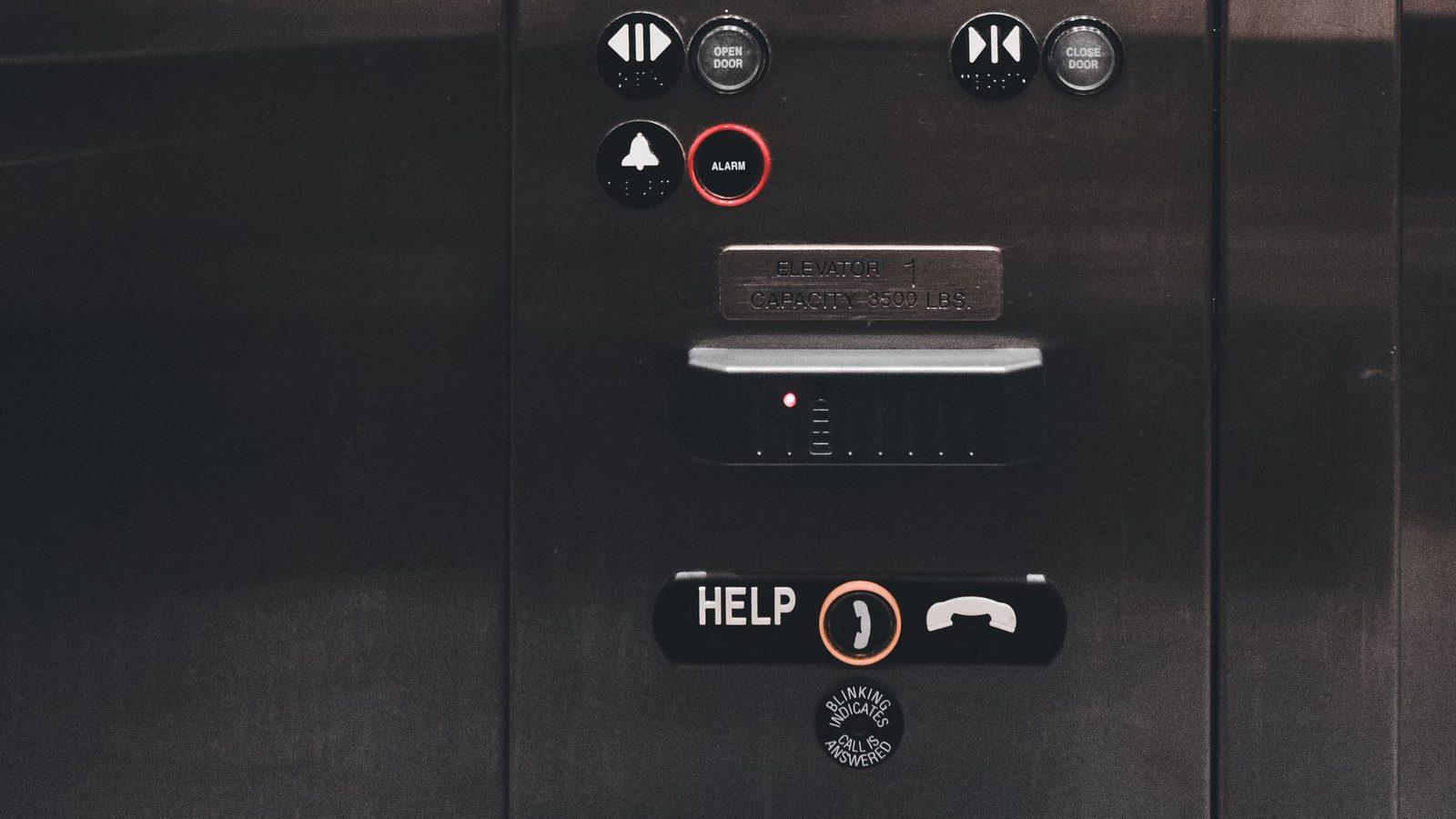
Elevator cab phones
A cab phone has to meet the elevator code, and your elevator contractor tests it after any change to its line. Our guide to elevator phone line requirements covers what the code asks of it.
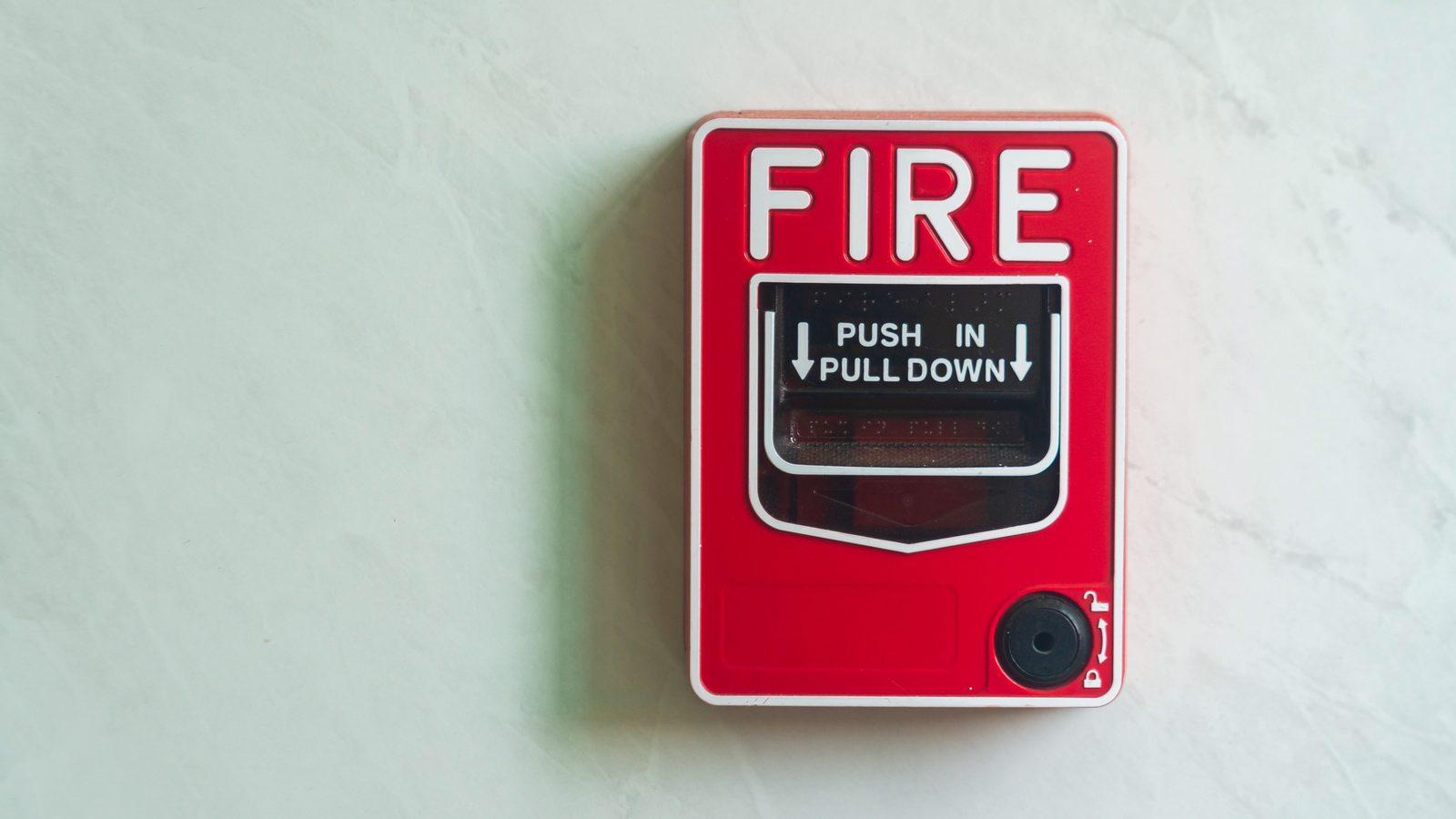
Fire alarm and burglar alarm dialers
A monitored panel has to prove its path and report the loss of it to the people who dispatch. That is specified against the panel and the monitoring company’s receiver, so the line moves on its own schedule; see fire alarm panel phone lines.
Modems on building systems
Access control panels, HVAC controllers and older lift-monitoring gear that dial out once a night. They surface only when every billed line is matched to a device, and some still dial systems that were switched off years ago.
Taking these lines off copper is a project of its own, and Bay Area POTS line replacement sets out how we run it.
Questions about moving your phones to us
Each site’s price comes from its estimate: the desks, the lines you keep and the devices that need a gateway. Once we set your rate it holds, with no rise at the one-year mark, at eighteen months or after. Ask for the contract term with the estimate.
No, and moving every number on one date is rarely the low-risk plan. Numbers move in the groups you choose, and the usual order is the least consequential first: a fax number nobody publishes, then departmental numbers, then the main published number last, once the rest has been running for a week. Analog devices are their own category and move on the schedule of the people who test them: the alarm monitoring company for a panel, the elevator service contractor for a cab phone. Whatever the order, keep the old service running until the new one has carried your calls.
Yes. Anywhere in the Bay Area we can supply both the voice service and the circuit under it, and your site check shows how that circuit reaches your building. Elsewhere in the US we sell business VoIP and POTS replacement on their own.
Weighing RingCentral, Ooma or Granite?
- WilloWeb and RingCentralUsing RingEX, or weighing it? Keep it for your staff, let us take the building’s analog lines, and see RingCentral’s own POTS Replacement device next to our install.
- WilloWeb and OomaOoma’s AirDial is a cellular box shipped to your building. See how it compares with our on-site replacement on approvals, power, installation and price.
- WilloWeb and GraniteConsolidating analog lines across many sites? Granite runs EPIK as a managed service for national estates; see where that model fits and where our local install does.
Send us the phone bill and the address
The bill shows every line you pay for, and the address tells us what your calls will run on. From those two, your estimate sets out which option fits each part of the building, which devices need a test on cutover day, and what the whole move will cost.