
WilloWeb

AT&T copper retirement in California: what it means for your building

AT&T can stop copper phone service in parts of all nine Bay Area counties from June 1, 2027. Those lines often run a building’s fire alarm, elevator phones and fax. We review them for free and replace the ones you still need.

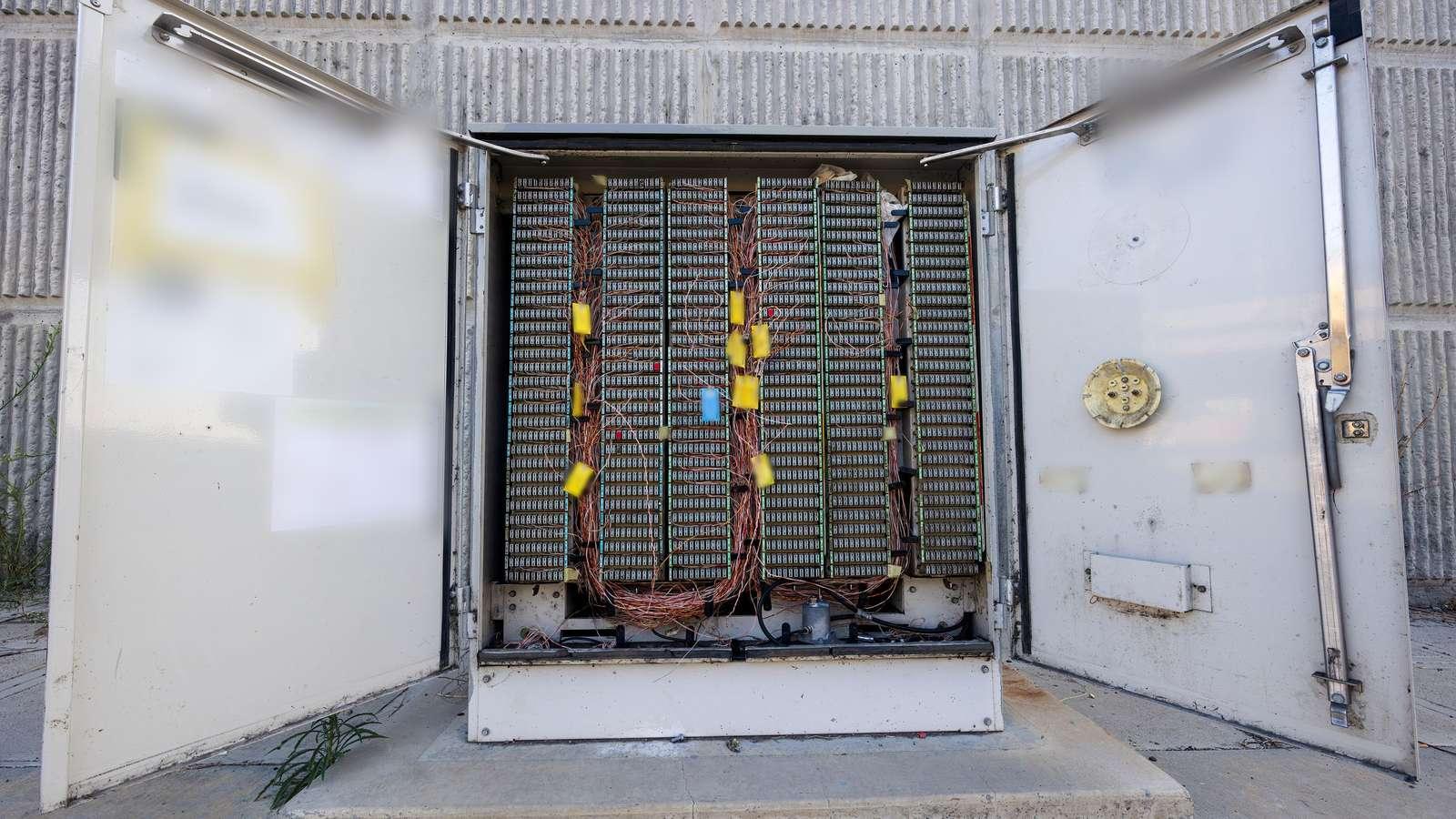
An outdoor telephone junction box with both doors open, showing six columns of terminal blocks joined by bundles of copper wire pairs.

What stops working when the copper does

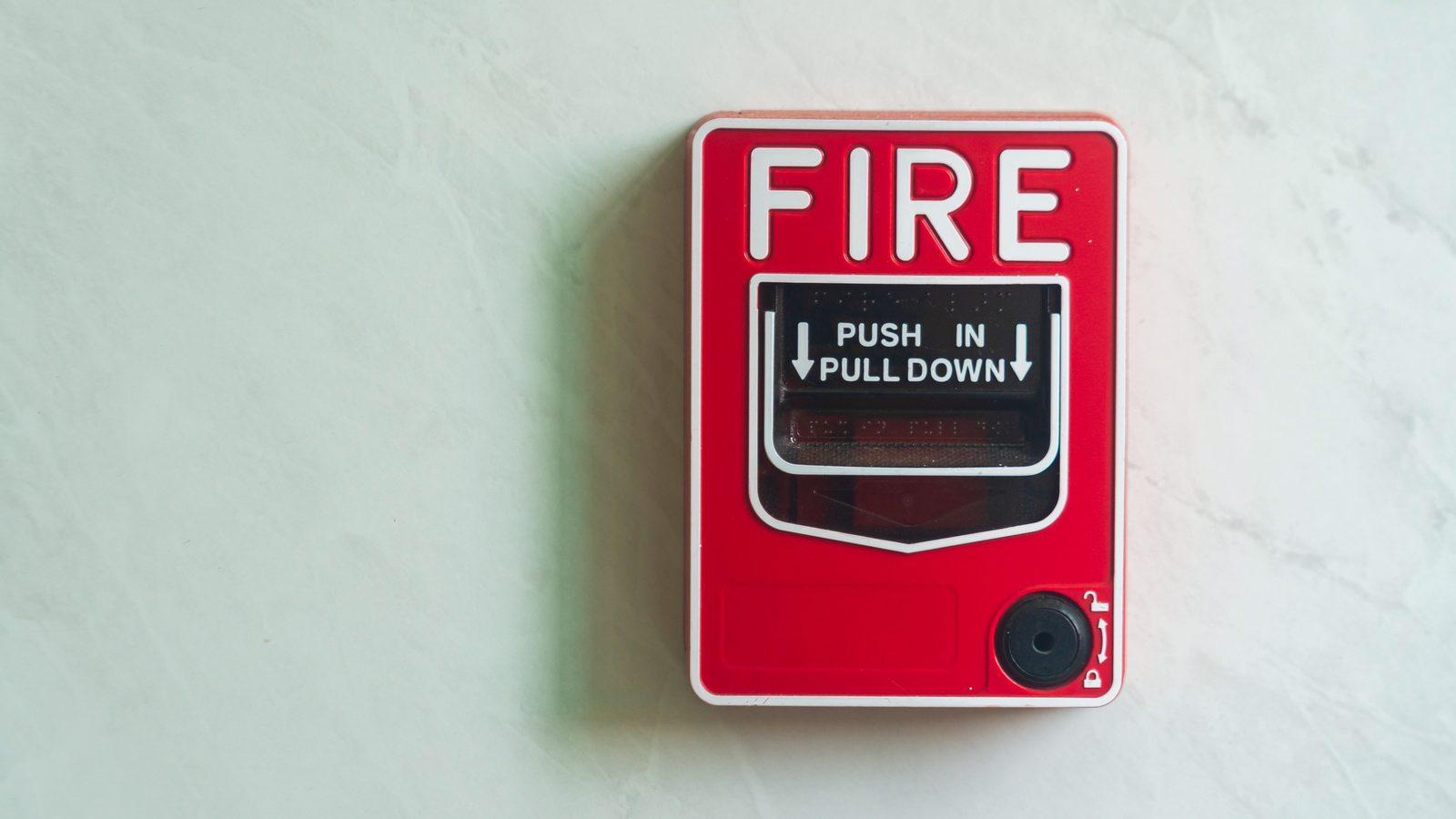
A red manual fire alarm pull station mounted on a wall.

Fire alarm panels

Many fire alarm panels report to their monitoring company by dialing out over a copper line. If that line is the panel’s only way out, alarms stop reaching the monitoring company the day it stops, and the panel shows a trouble until a new path is in and tested.

What NFPA 72 asks of the new path
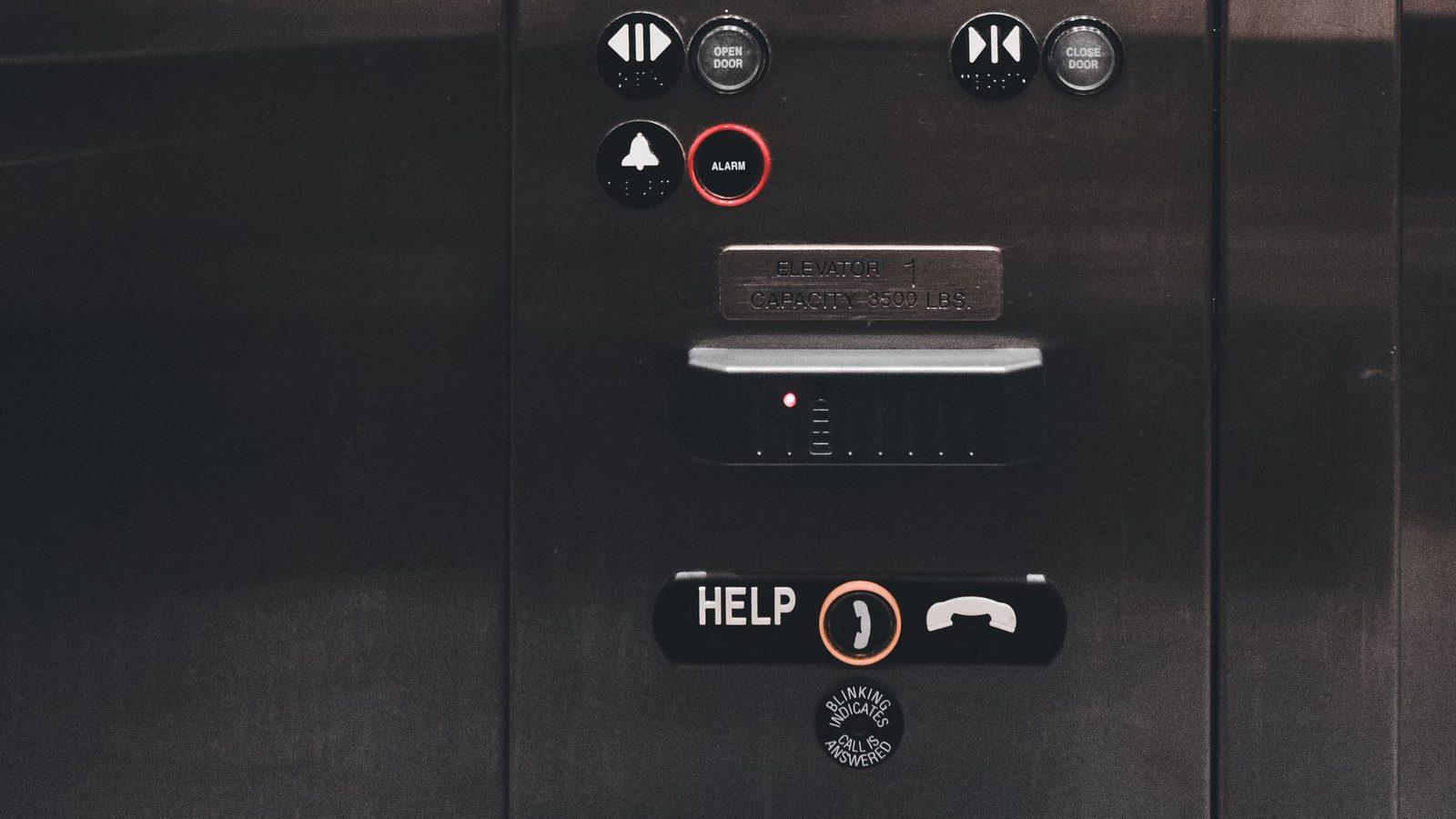
The lower half of a brushed steel elevator control panel with its emergency phone button.

Elevator phones

The help button in each cab calls out over a phone line. When that line stops, a passenger who presses it reaches no one. Your elevator contractor tests the replacement and signs it off.

Elevator phone line requirements
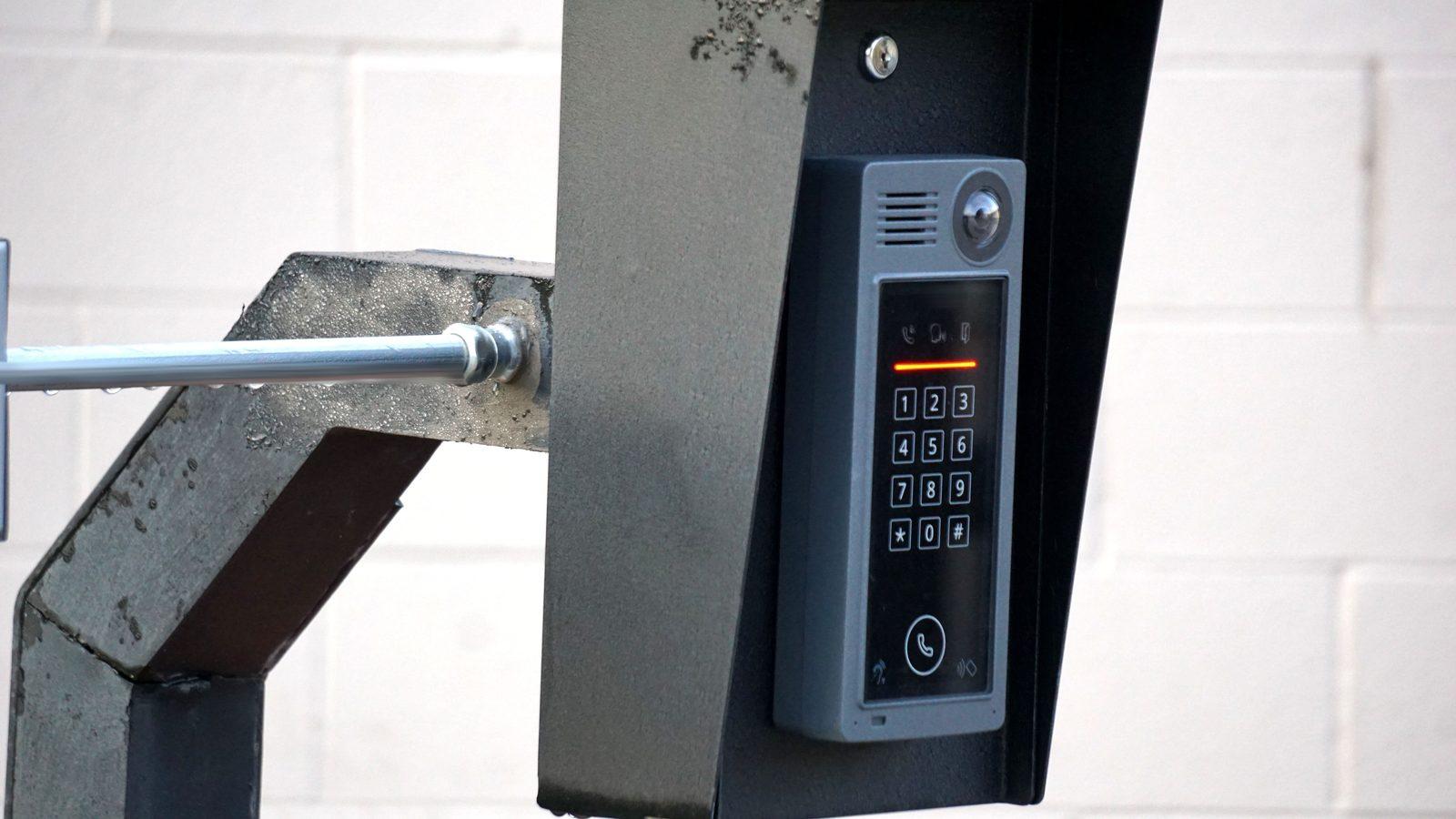
A keypad entry intercom with a camera and call button, in a steel hood on a steel arm.

Alarm, fax and gate lines

Burglar alarm dialers, fax numbers, gate callboxes and card terminals that dial out all stop with the line. Some lines on the bill serve nothing any more and only need cancelling.

How to find every line

Copper also costs more to keep

Until August 2, 2022, federal rules made the big phone companies lease copper lines to other carriers at regulated prices. Those rules have ended, and carriers passed the increase on to their business customers. That date is also where the “August 2022 POTS deadline” some vendors quote comes from: it ended a price rule in FCC 19-72, not the service.

Check your city

AT&T’s filing lists telephone exchanges, the local offices your lines run back to, and covers part of each one. Type the city your building is in.

From AT&T’s list of the exchanges in its two applications, published on the CPUC’s site, which also links a map of the affected areas.

What to do, and when

Make the list now

Match every line on the phone bill to the device it serves: the fire alarm dialer, each elevator cab, the fax, the gate. Lines that serve nothing can be cancelled today, and the rest become the replacement plan. Our guide to identifying a POTS line shows how to start the list on your own.

Start with the fire alarm and elevator lines

No rule makes a building owner move by a set date. June 1, 2027 is the earliest day AT&T may stop the service the lines run on. Fire alarm and elevator lines take the longest to move, because each needs your contractor on site and a test that is signed off, so put them first and the fax and gate lines after.

We replace the lines and run the circuit under them

We do this work across the Bay Area over our own network. The review is free. We then replace the lines still in use and move them onto our circuit, so a single company answers for the lines and the circuit. Every step is laid out on our page for POTS line replacement in the Bay Area.

Where the retirement stands

Approved
The FCC granted AT&T’s applications on June 29, 2026, for business and residential lines. AT&T puts the customers affected at about 15,000 businesses and 184,000 homes across California.
Earliest stop
June 1, 2027, in the parts of each exchange the filing names.
Still contested
California’s utilities commission has asked the full FCC to reverse the grant, and AT&T has asked the FCC and a federal court to set aside the state rules that make it keep offering phone service. None of these has been decided.
Next date
February 19, 2027, the deadline for the CPUC’s own review of those rules.
The full record, with sources
  1. The CPUC dismisses AT&T’s request to stop serving as carrier of last resort

    Decision D.24-06-024 dismissed Application A.23-03-003 with prejudice. No other carrier of last resort serves AT&T’s territory, and none applied to take its place.

    Source: CPUC Decision 24-06-024 (PDF)

  2. AT&T files at the FCC and in federal court on the same day

    Two Section 214 applications to discontinue copper phone service, WC 26-120 for business lines and WC 26-121 for residential; a petition asking the FCC to preempt California’s carrier of last resort rules (WC 26-125); a petition for forbearance from its federal eligible telecommunications carrier duties in California (WC 26-123); and a suit asking the federal court to declare those state rules preempted, Pacific Bell Telephone Co. v. Reynolds, No. 3:26-cv-03148 (S.D. Cal.).

    Source: FCC order DA 26-598, paras. 1 and 2 (PDF)

  3. The FCC puts both applications out for comment

    Public notice DA 26-539 covers portions of 360 California wire centers. It set June 15 for comments and June 29, 2026 for the automatic grant.

    Source: FCC public notice DA 26-539 (PDF)

  4. The CPUC opposes both applications

    The People of the State of California and the CPUC asked the FCC to reject the applications or, at a minimum, to take them out of streamlined processing.

    Source: CPUC comments in WC 26-120 and WC 26-121 (PDF)

  5. Both applications are granted automatically

    The FCC’s Wireline Competition Bureau let the automatic grant take effect, so AT&T now holds federal authority for both discontinuances.

    Source: FCC public notice DA 26-824 (PDF)

  6. The federal court denies AT&T’s motion for a preliminary injunction

    AT&T had asked the court to stop California officials from applying the carrier of last resort and tariff rules to its plan to stop taking new copper phone customers. The court denied the motion after a hearing, and the case continues on an amended complaint AT&T filed on August 20, 2026.

    Source: Court docket, S.D. Cal. No. 3:26-cv-03148

  7. Comments close on the preemption and forbearance petitions

    Replies on WC 26-125 and WC 26-123 were due July 22, 2026, and the FCC has decided neither petition. Under 47 U.S.C. §160(c), the forbearance petition is granted by default unless the FCC denies it within one year of receiving it, a period the FCC may extend by 90 days.

    Source: FCC order DA 26-598 (PDF)

  8. The CPUC asks the full FCC to reverse the grant

    Its application for review asks the Commission to deny AT&T’s applications, or to send them back to the Wireline Competition Bureau for review outside the streamlined process. The FCC has not ruled on it.

    Source: CPUC application for review (PDF)

  9. Deadline for the CPUC’s review of its carrier of last resort rules

    The CPUC opened Rulemaking R.24-06-012 on June 20, 2024. Decision D.26-06-020 moved its statutory deadline to this date so the Commission can weigh a staff proposal and a joint proposal from AT&T and the CPUC’s Public Advocates Office.

    Source: CPUC Decision 26-06-020 (PDF)

  10. Authorized discontinuance date for both services

    DA 26-539 lists this date for business and residential service alike, absent further action by the FCC.

    Source: FCC public notice DA 26-539 (PDF)