
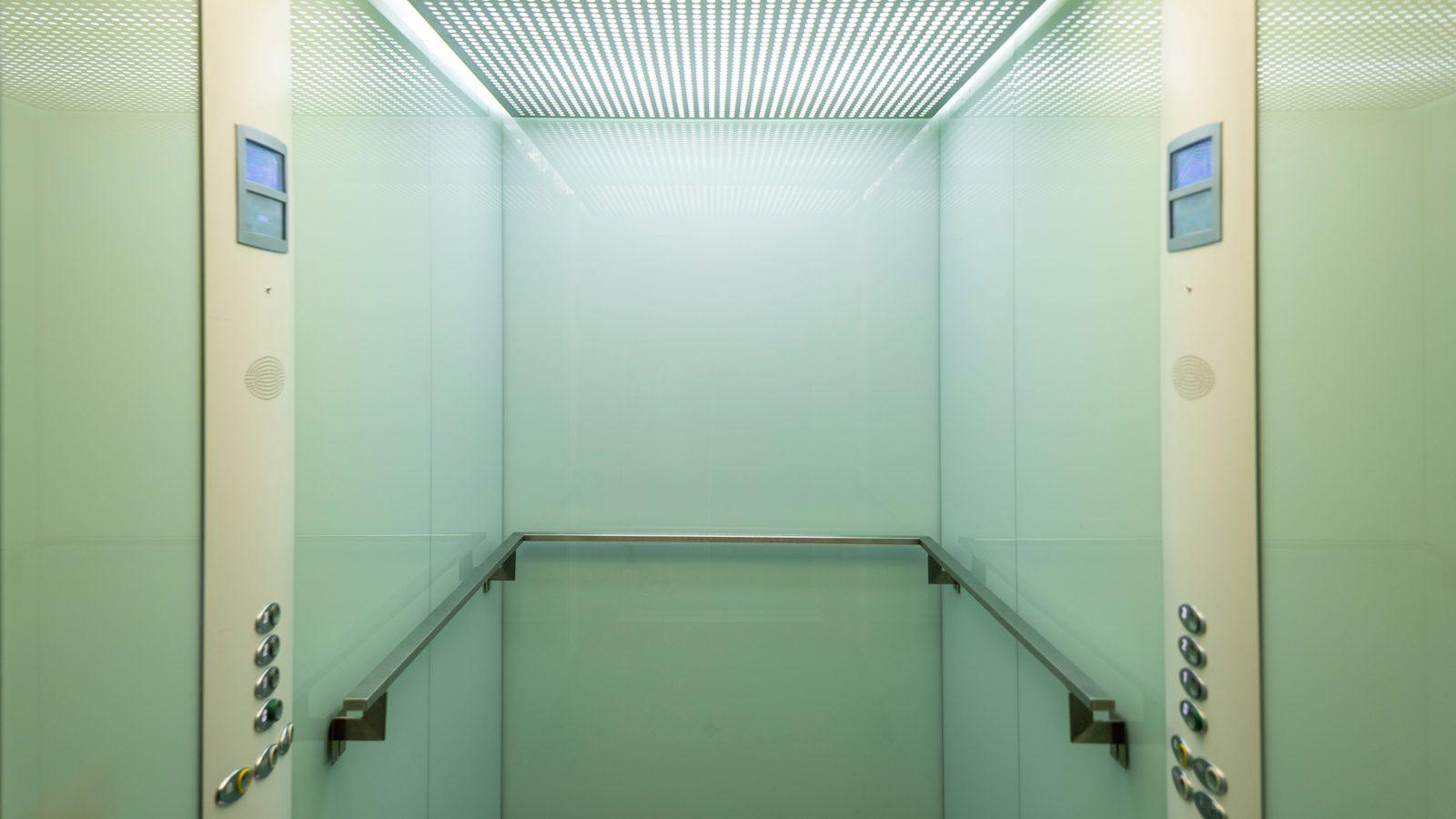
Elevator phone line requirements: ASME A17.1 and California Title 8
We replace the phone lines behind your elevator cars, starting with a free review. The 2019 elevator code names VoIP and network paths alongside the phone line, and in California, Title 8 decides which rules apply to each car.
The elevator code does not require a dedicated line for each car
The elevator code sets what each car’s emergency phone has to do, not what the call travels on. ASME A17.1 (2019 edition) requires a daily check of the phone line or of whatever carries the call instead, and names VoIP, a network and an intercom as examples. A car does not need a copper line of its own, and neither does a group of cars.
Washington State’s elevator program reads the code the same way: “The elevator code does not require a dedicated telephone line to each elevator; nor does it require a dedicated telephone line to a group of elevators.” (TC 18-04, 2018)
In California, which edition applies depends on when each car was installed: what California’s Elevator Safety Orders require.
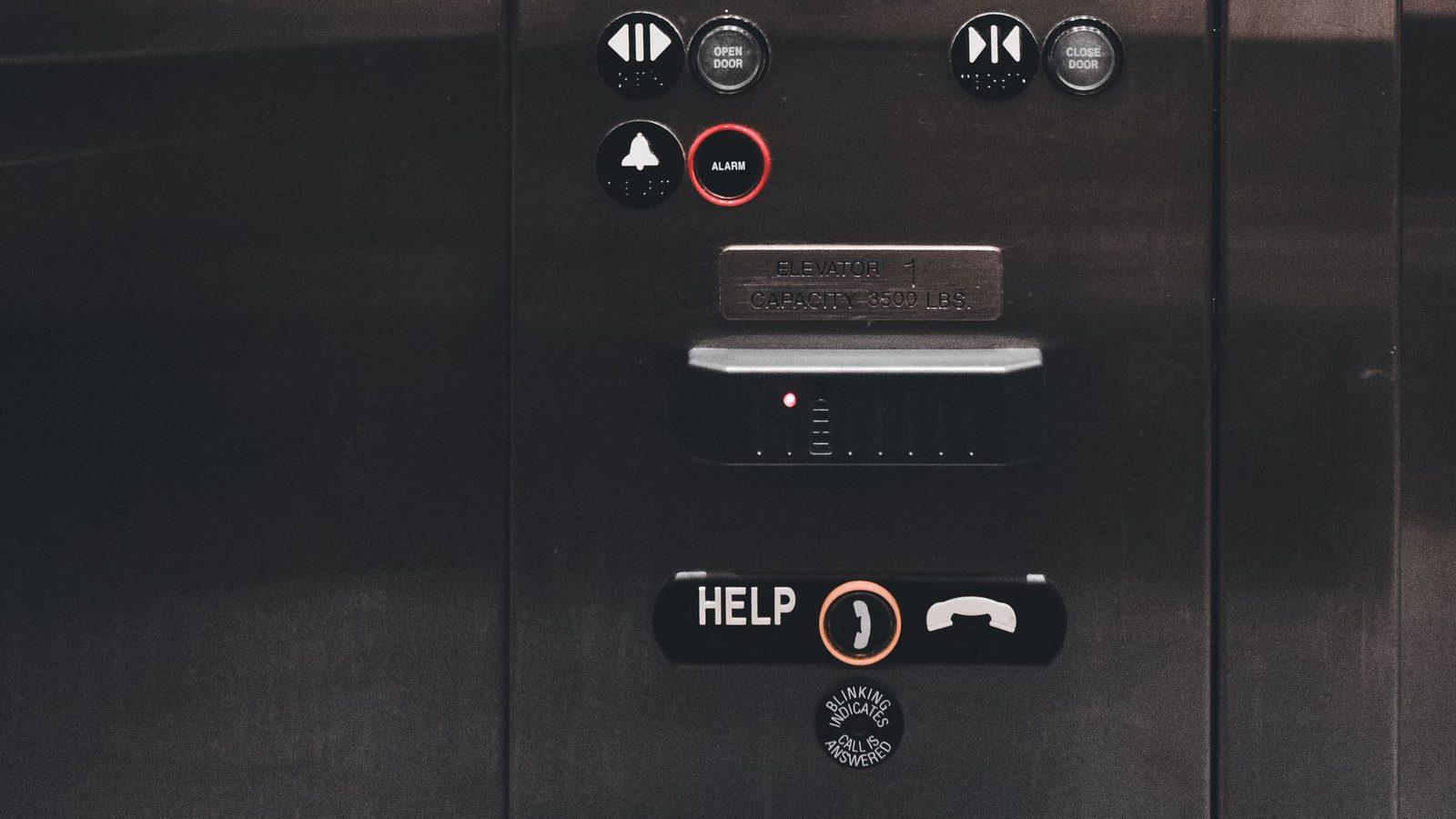
What California’s Elevator Safety Orders require
California’s Elevator Safety Orders, in Title 8, sort elevators by when they were installed: Group 2 covers cars installed before October 25, 1998; Group 3, which incorporates sections of ASME A17.1-1996, covers cars installed after that date; and Group 4, which incorporates ASME A17.1-2004, covers cars whose installation contract was signed on or after May 1, 2008.
No later edition has been adopted: a proposed Group 5 would bring in the 2019 edition for installations contracted after it takes effect. It had its public hearing on June 18, 2026 and has not been adopted.
Subsection (a)(2) of §3041 sits in Group 2, so it reaches only those older cars, and within that group it applies to new installations of cars that run without an operator. It gives them two routes: a telephone in each car connected to a central exchange with 24-hour service, or a bell with a means of two-way conversation.
On the second route the obligation is “means for two-way conversation”, and no medium is named. What §3041 does fix is ten seconds to switch to emergency power, an hour of bell and four hours of conversation, and those figures attach to whatever carries the call.
Before anything about the path changes, ask your elevator contractor which group your cars fall under, and let the inspector who will see the finished work review the plan.
Read §3041(a)(2)
“New installations of passenger or freight elevators, which are operated at any time without a designated operator in the car, shall be provided with one of the two following emergency alarm systems.
(A) A telephone in each elevator car, connected to a central telephone exchange providing 24 hour service.
(B) A system meeting the following requirements.
1. An electric bell, operable from the car, not less than 6 inches in diameter, located inside the building and audible inside and outside the hoistway. One bell operable from all cars may be used for a group of elevators.
2. Means for two-way conversation between each elevator and a readily accessible point outside the hoistway.
EXCEPTIONS:
1. Elevators in buildings having a height from the lowest to the highest elevator landing of not more than 65 feet, providing the distance between any adjacent landing does not exceed 15 feet.
2. When the means of communication with an approved emergency service permits two-way conversation. See section 3041(a)(3)(B).
3. If the bell or the means of two-way conversation, or both, are normally connected to the building power supply, they shall automatically transfer to a source of emergency power within 10 seconds after the normal supply fails. The power source shall be capable of providing for the operation of the bell for one hour and the means of two-way conversation for 4 hours.”
What the 2019 edition of ASME A17.1 asks of each path
Each requirement applies to every path a call can take. What changes with the path is what you have to check before the line moves.
| Requirement | Analog line | VoIP or building network | Cellular |
|---|---|---|---|
| 2.27.1.1.6(a)Checked automatically at least once a day, without activating the link | The check runs on the line itself | Required too, under (a)(4); ask what the car station tests each day | Required too; ask what the unit tests each day |
| 2.27.1.1.3(d) and (k)Two-way messages for a passenger who cannot speak or hear, and video of the whole car floor | Voice only; ask what carries the messages and video | Messages and video ride the circuit, so it needs room for video | Ask how video holds up in the hoistway and what it adds to the data plan |
| 2.27.1.1.4At a rise of 60 ft (18 m) or more, emergency crews in the building need their own way to reach each car | Measure the rise first: at 60 feet or more, an in-building station joins the job | ||
2.27.1.1.6(a)Checked automatically at least once a day, without activating the link
- Analog line
- The check runs on the line itself
- VoIP or building network
- Required too, under (a)(4); ask what the car station tests each day
- Cellular
- Required too; ask what the unit tests each day
2.27.1.1.3(d) and (k)Two-way messages for a passenger who cannot speak or hear, and video of the whole car floor
- Analog line
- Voice only; ask what carries the messages and video
- VoIP or building network
- Messages and video ride the circuit, so it needs room for video
- Cellular
- Ask how video holds up in the hoistway and what it adds to the data plan
2.27.1.1.4At a rise of 60 ft (18 m) or more, emergency crews in the building need their own way to reach each car
- Every path
- Measure the rise first: at 60 feet or more, an in-building station joins the job
ASME A17.1-2019 / CSA B44-19, Safety Code for Elevators and Escalators, 2.27.1.1. A cellular unit that hands dial tone to an existing car station becomes part of the path, so the daily check and the standby hours apply to it as well; our page on POTS in a box explains how those units work.
If the power goes out, the elevator phone still has to work
On copper, the phone company powered the line, so a car’s emergency phone kept working in a blackout. Move the call onto a network or cellular path and it runs on the building’s power instead, so the replacement needs a backup of its own.
At least four hours for the call
Every device the call passes through needs backup power for four hours: the cab phone, whatever it plugs into and the equipment that carries the call out of the building (ASME A17.1-2019, 2.27.1.1.5).
At least one hour for the alarm bell
The audible alarm in the car needs its own hour on backup power. California’s §3041 sets the same four hours and one hour for the cars it covers.
Prove it before the copper goes
Ask your elevator contractor to test each cab phone on backup power during the acceptance test, and keep the result with the building’s records.
The fire alarm panel has its own backup power rules, set out in our fire alarm panel phone line guide.
Elevator phone line questions
Under ASME A17.1-2019 at 2.27.1.1.2, a call that nobody acknowledges within 45 seconds has to go automatically to an alternate location, on site or off. Whoever answers has to be authorized personnel who can take appropriate action, never an automated answering system, and the car shows a message when they acknowledge the call and another when help is on the way (2.27.1.1.3). Whether a building meets the 45 seconds depends on its answering arrangement and its monitoring contract, so read both before the line changes.
When a check fails, 2.27.1.1.6(b) calls for an audible signal and a flashing visual one labeled ELEVATOR COMMUNICATIONS FAILURE at the designated landing, near the fire recall switch, and the system keeps checking at least every five minutes until the path works again. The code sets that outcome and leaves the method to the equipment, so how a given system proves the path is alive without placing a call is a question for its manufacturer and your elevator contractor. What you should insist on seeing is the failure signal appearing during acceptance, because that is the half nobody tests.
They first appear in the 2019 edition, at 2.27.1.1.3(d) and (k), so a car governed by an earlier edition does not take them on under that edition. California’s Title 8 has not adopted the 2019 edition, which makes your elevator contractor and the inspector the people to ask whether anything else applies to your cars.
Your elevator contractor tests the car station on the new path, and the inspector approves what is installed. A listing applies to a piece of equipment, while the inspector’s approval applies to the whole arrangement in your building, its power and its failure signal included.
It can. AT&T can stop copper phone service in parts of every Bay Area county from June 1, 2027, and a cab phone on a retired line reaches no one. Check your city on our AT&T copper retirement page, and plan the move with your elevator contractor before the line goes.
We move your elevator phones onto a circuit we run
After a free review of every analog line in the building, we replace the ones still in use, run the circuit they move to and time each elevator move to your contractor’s acceptance test. Bring the phone bill, the number of cars and your elevator contractor’s name.