
Ooma AirDial POTS replacement, compared with WilloWeb
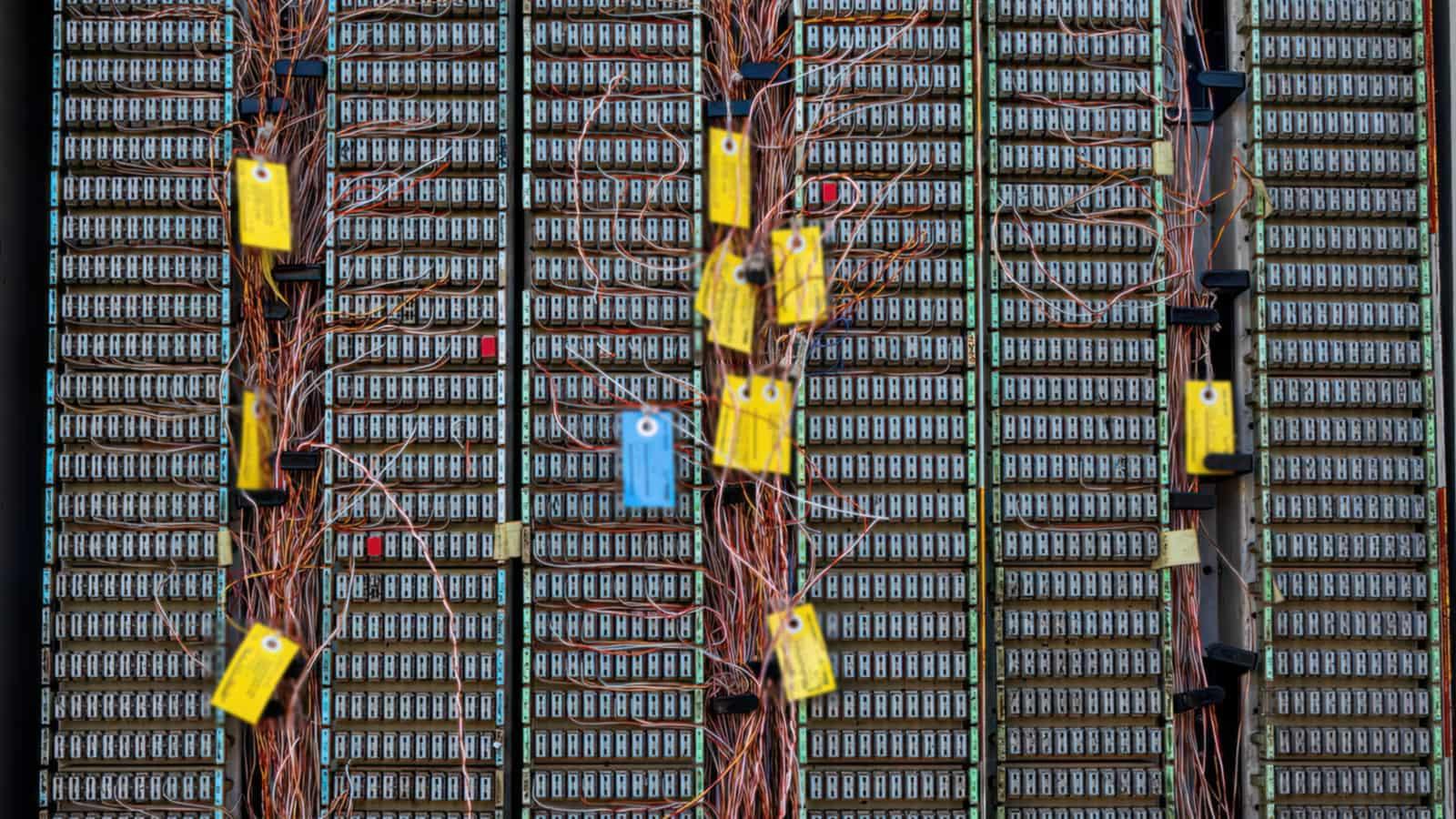
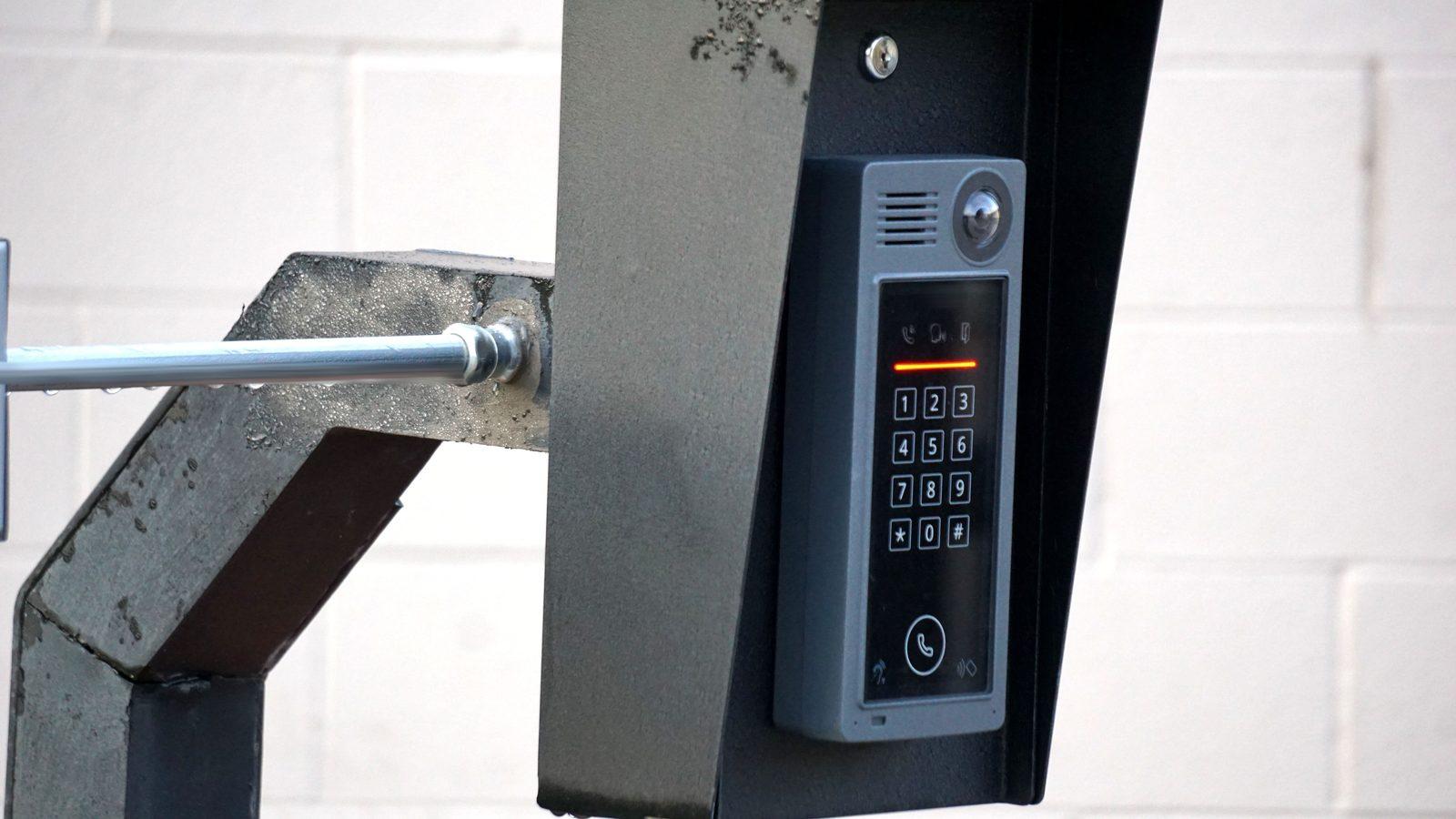
AirDial is a cellular device that Ooma ships to your building for its fire alarm, elevator, fax and alarm lines. We replace those lines ourselves, on site, as part of the voice and internet service we run.
When AirDial fits, and when we do
Ooma AirDial fits when
- Your sites are spread across many states, and you want the same shipped device and one portal at every address.
- Someone already on site can install it, and nothing else about the building’s phones or internet is changing.
- Cellular signal is strong where the panel or cab phone sits, or the property will not allow a new wired connection in.
WilloWeb fits when
- Your building is in the Bay Area, and you want the lines replaced on site by the people who support them afterward.
- Fire panel, elevator, fax, intercom and paging lines share the building, and nobody has traced what each one feeds.
- You want internet, voice and the analog lines from one company.
If that is not your situation, buy the box.
AirDial and our line replacement, question by question
| Question | WilloWeb | Ooma AirDial |
|---|---|---|
| Who you buy from | WilloWebA Bay Area company with its own network in the buildings we serve; voice and POTS replacement nationwide | Ooma AirDialOoma (NYSE: OOMA), founded 2003, with more than 1.2 million users |
| What replaces the copper line | WilloWebEach line converted on site to our voice service: fax, intercom, fire alarm or elevator phone | Ooma AirDialAirDial 2: one box with four analog ports |
| What it runs on | WilloWebOur own circuit into your building: 200 Mbps to 10 Gbps symmetrical, static IP, no caps | Ooma AirDialOoma’s LTE service, with your wired internet as an option |
| What the site needs | WilloWebA way into the building for our network, and the owner’s OK; a site check settles both | Ooma AirDialCellular signal where the box sits; external antennas for basements, garages and mechanical rooms |
| When the power fails | WilloWebDepends on the equipment chosen for each line | Ooma AirDialBuilt-in battery: over 48 hours on AirDial 2, over 82 with an external one (older Ooma pages say 16 to 24) |
| Fire alarm and elevator approvals | WilloWebNamed in your quote for your exact panel or cab phone and monitoring company | Ooma AirDialUL 864 certified, California State Fire Marshal and FDNY approved for fire panels; built with NFPA 72 and the elevator code “in mind” |
| Who installs it | WilloWebOur technicians, on site | Ooma AirDialYou, with or without Ooma’s guidance, or Ooma’s white-glove team; under 30 minutes per box, Ooma says |
| Monitoring and support | WilloWebLocal support from us; ask how we would alert you to a failed line | Ooma AirDialA web portal with text or email alerts for outages, battery use and unplugged devices |
| Price | WilloWebQuoted per building after a site check | Ooma AirDialNo published base price; $35 a month for an optional second box on dual LTE |
Sources
- Ooma AirDial product page (copyright 2026)
- Ooma AirDial technical specifications (copyright 2026)
- Ooma AirDial connectivity (copyright 2026)
- Ooma AirDial deployment (copyright 2026)
- Ooma AirDial compliance (copyright 2026)
- Ooma AirDial FAQs (copyright 2026)
- Ooma AirDial compliance, security and resiliency datasheet (PDF) (document code 020725-KJ)
- Ooma AirDial datasheet (PDF) (document code 062426-KJ)
- Ooma press release, AirDial remote device management (April 29, 2026)
Ooma and AirDial are marks of Ooma, Inc., used only to identify the product described; no affiliation with or endorsement by Ooma is implied.
Replacing fire alarm, elevator or fax lines in a Bay Area building? Start with a site check.
Request a site checkHow we replace your lines
Who answers when a line fails
A shipped device brings three parties into every fault: the company that made the box, the cellular network its data rides on, and whoever supplies your wired connection. Each can look healthy from its own side while the line in your closet is down. With us, one company runs the circuit, the voice service and the install, and takes the call when something fails.
We survey the building before we quote
A shipped box is ordered from a line count, and over the years the phone bill drifts away from the wiring. A survey turns up what the bill hides: lines still billed to devices removed in a tenant improvement, one billed line feeding two devices through a split jack, a paging amplifier triggered by a contact closure. Each of those changes the order. Ooma’s managed deployment includes audits of all POTS lines too, so ask whether your quote includes one.
An office and warehouse, intercom included
This business ran its intercom and loudspeakers through its old phone system, in a building already on our network. We installed our internet and VoIP, set the intercom and loudspeakers up again to work with the new voice service, then tested everything and fine-tuned it for reliability. Read the case study
We run each cutover in the order set out under POTS line replacement for Bay Area buildings, and AT&T’s copper retirement page shows whether your city is on the list.
Questions about AirDial and our replacement
Your inspector decides that, as the authority having jurisdiction, for our replacement and for AirDial alike. Your quote lists the equipment and path for each device, so your fire alarm or elevator contractor can check them before anything is installed. For what NFPA 72 asks of the line itself, see our guide to fire alarm panel phone lines.
Ooma quotes AirDial per customer and offers rental or purchase of the hardware, billed by business entity or location. We quote per building after a free estimate with no obligation. Your bill carries no overage charges, exchange fees or option fees, and your rate stays where we set it, with no increase at 12 months, 18 months or later. Ask each of us for the contract term along with the price.
With a cellular-first device like AirDial, very little: when the wired connection drops, the box carries calls over LTE, so a wired outage does not have to become a voice outage. With us, your lines ride the circuit we run into your building. Ask us what backup we would build for the lines that cannot go down; a second path into the building is something we build, as our backup internet and failover service shows.
Yes, and you should price that in: when the same company supplies the circuit and the voice on it, leaving one usually means leaving both. In return you deal with one vendor. A cellular device ties you to its maker instead, because the hardware and the portal belong to that vendor, and moving off means replacing equipment at every site. Neither model is free of lock-in, so pick the one you want to be inside when something breaks, and ask each vendor how quickly it answers the phone.
Two questions decide this for your building
How many addresses do you need to cover, and can our network reach this one? Send us your phone bill and the building’s address, and we will tell you which lines move simply, which need your alarm company on site, and how we would bring our network in.