WilloWeb

North Bay

Business internet in the North Bay

Business internet for offices, wineries, shops and industrial sites across Marin, Sonoma, Solano and Napa, on a network we own. Send an address, however far from town, and you will have our plan.

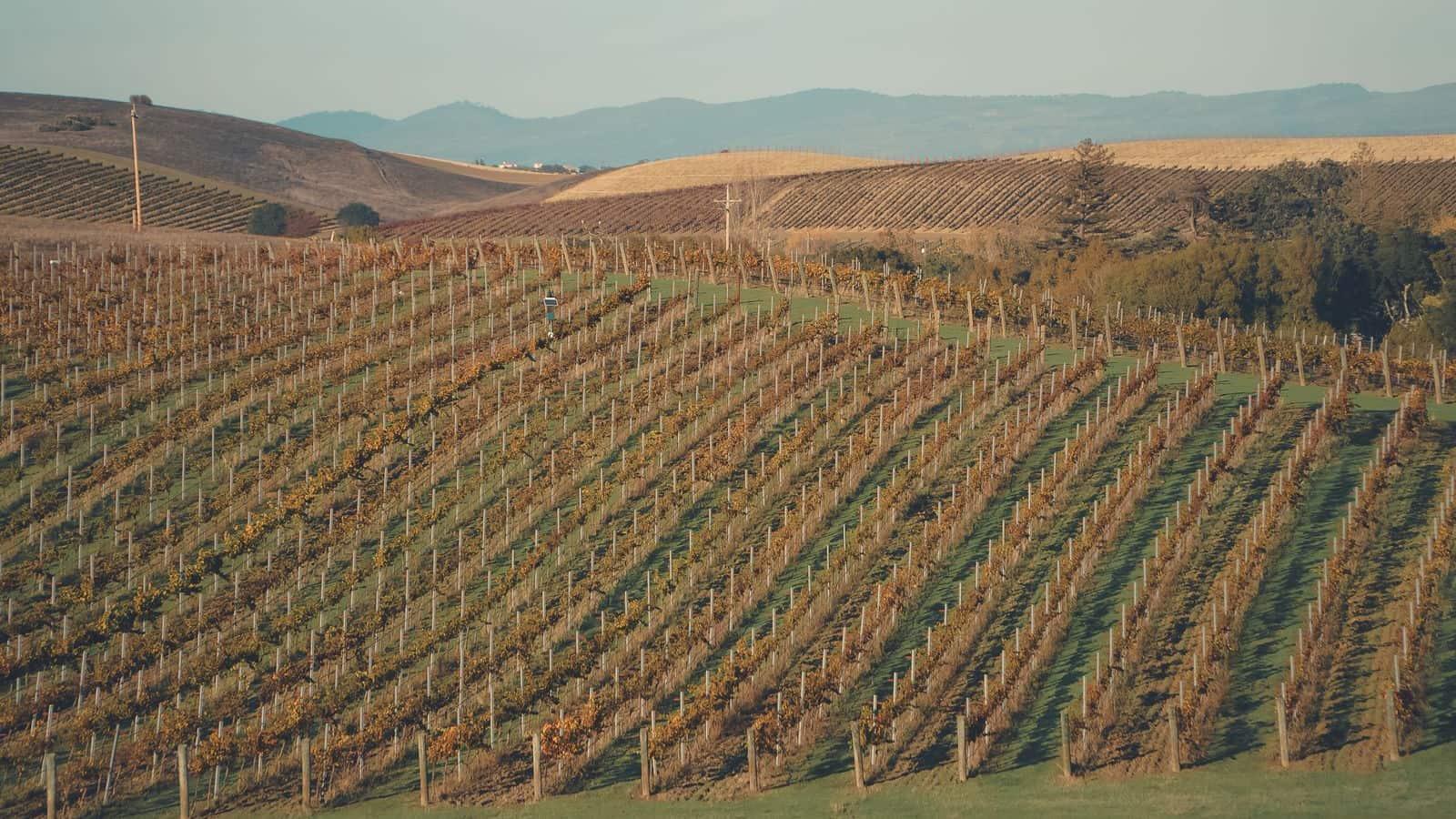
Rows of vines in autumn color on rolling hills, with utility poles, dry grassy slopes and a distant ridge behind.

Symmetrical speeds on our own network

Download Speed0.00 Gbps
Upload Speed0.00 Gbps

The survey that sizes your circuit costs nothing, wherever in the four counties your building stands.

Getting a circuit into a building in the North Bay

Most of Marin’s commercial stock sits along the 101 corridor, and that is where a fiber lateral is likeliest to reach your building already. West of the corridor, around San Geronimo, the terrain does the deciding, and a path that would be routine in San Rafael becomes a line-of-sight question instead of a trenching question. In the spread-out towns of Solano and on rural sites in Sonoma and Napa, a wireless path is the practical way in. Your building’s place in that picture decides which of our three methods fits it.

  • Fiber, where a lateral is in the ground

    If fiber already comes into your building, most of the work happens inside it: we light the lateral, terminate the circuit at your demarc and hand it to you as Ethernet.

  • Fixed wireless, by line of sight

    Where no lateral reaches you, a radio on your roof links to our network through the air. It needs a clear sight line and the owner’s permission to mount it, and nothing gets dug between the road and your door.

  • Point-to-point, built for the distance

    When a site sits far from our network, or needs capacity it shares with nobody, we engineer a dedicated link for that one building and carry only your traffic on it.

A 10 Gbps link by air, and a backup on a separate route

A dedicated 10 Gbps link to an office 11 miles from our nearest point of presence.

The client was an enterprise whose high-speed data product could only be validated with enough bandwidth and low latency at its office, and the route there offered little infrastructure for high-capacity fiber. We split the distance into two wireless hops that meet at a relay point we placed midway: one begins at a major point of presence in our network and the other ends at the office. Together they form a single symmetrical circuit, with steady performance and latency under 10ms.
High-Speed PTP Wireless Backhaul Solution

Over 2 Gbps of backup on a path of its own, still up when the fiber failed.

At this round-the-clock client’s location, every regional carrier ran over the same long-haul fiber, so its two ISPs could fail together. We built a point-to-point wireless link that left that fiber out entirely and connected directly to the nearest major point of presence on our network, where it terminates in a secure data center. It carries over 2 Gbps symmetrical at under 19ms. About 18 months after it went live, a major fiber cut brought on an extended regional outage and took the client’s primary circuits down with it. Failover moved the client’s traffic onto our link automatically, with no downtime.

Reliable Redundancy for 24/7 Enterprise Operations

Office buildings, rural sites, main streets and industrial yards

Who controls the roof, and what that roof can see, sets the timeline in each of them.

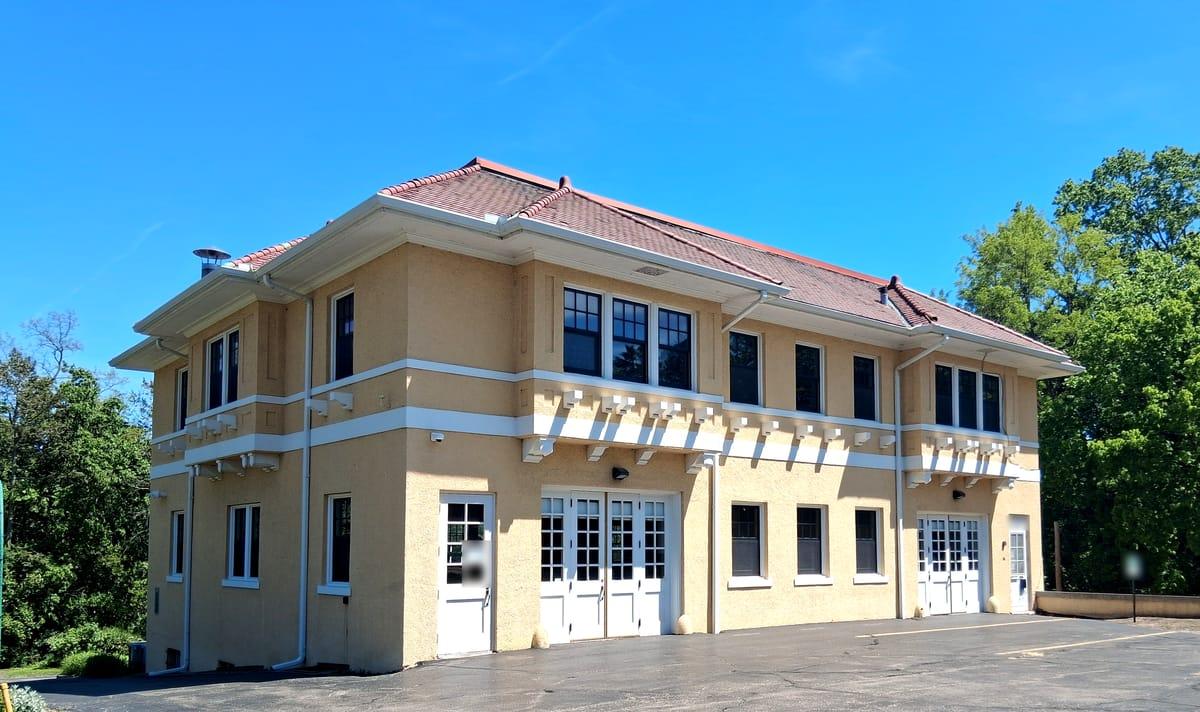
A two-story stucco office building with a tile roof, white multi-pane doors and its own parking lot, with trees behind.

Low-rise office buildings

In a two- or three-story office building the owner holds the roof and the paths between floors, so a radio mount or a new cable run to your suite waits on the owner’s approval. Where fiber already enters the building there is less to approve, and the install is short.

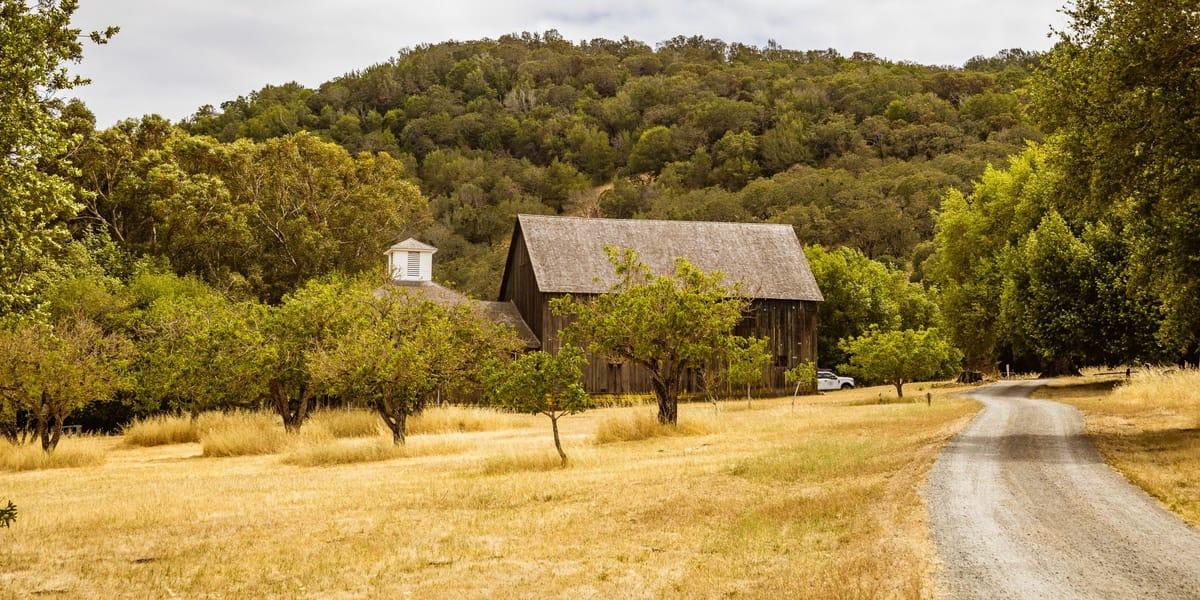
A weathered wooden barn among fruit trees and dry grass at the foot of an oak-covered hill, with a gravel drive curving past.

Wineries, ranches and rural sites

On a rural property the survey starts with the view: whether your building’s roof can see our network past the hills and trees around it. Once that sight line is confirmed, a radio brings service in with no trench along the drive.

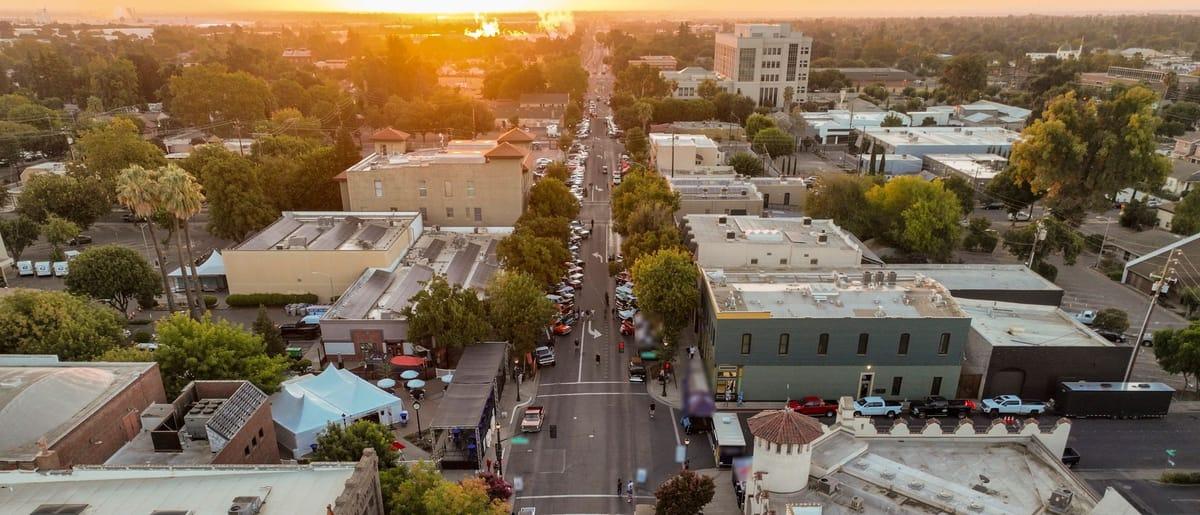
Aerial view down a small-town main street at sunset, with tree-lined sidewalks, parked cars and the flat roofs of one- and two-story commercial buildings.

Small-town main streets

A shop or office on a main street often shares walls, and sometimes a roof, with the businesses on either side, and an older building can carry wiring nobody has traced in years. We check what ends at your demarc today, and the building’s owner approves any roof mount before we book the install.

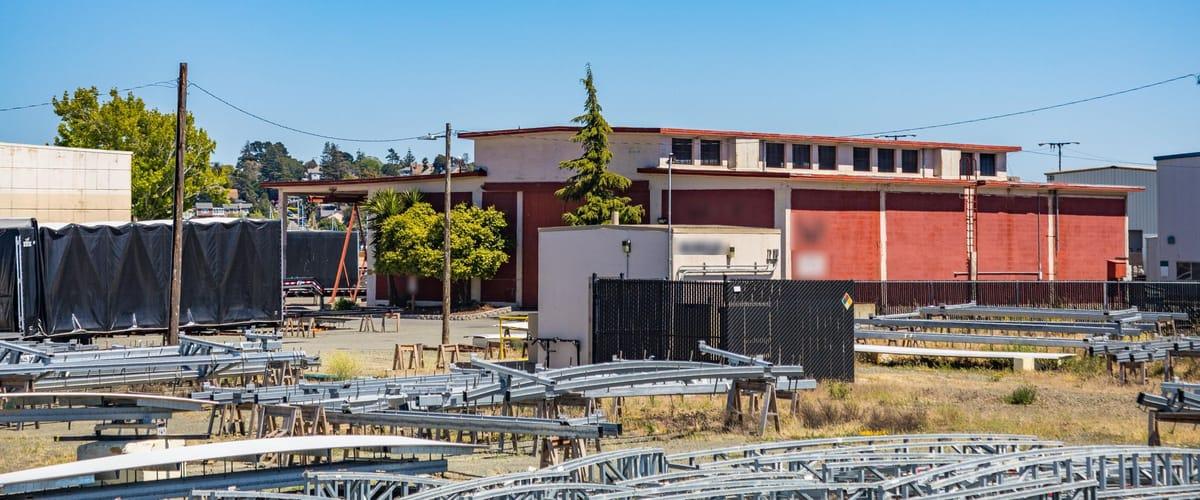
A red industrial building behind a yard of stacked steel frames, with utility poles, a fenced enclosure and wooded hills beyond.

Light industrial buildings and yards

With one tenant in the building, there is a single roof and a single demarc to assess, so the work moves quickly. If the site has a yard or a second building, we also plan the cable run from where service comes in to wherever the equipment that needs it sits.

In Marin, Sonoma, Solano and Napa, the copper line can be the alarm’s only way out

AT&T’s filing reaches parts of all four counties. On a winery, ranch or rural site the copper line can be the alarm’s only way out, and a cellular replacement needs signal where the panel hangs. Plan the move while the line still works.

The filing puts the earliest stop at June 1, 2027.

North Bay business internet questions

Yes. We serve businesses across Marin, Sonoma, Solano and Napa, from offices in San Rafael and Novato to wineries, ranches and small-town storefronts. What we deliver at your address comes down to the site: whether fiber already runs nearby, whether your roof has a line of sight for fixed wireless, and what the building’s owner will allow.

Any tier from 200 Mbps to 10 Gbps, at the same speed in both directions. The tiers open to your building depend on how service reaches it. A fiber lateral carries the full range, and a wireless link from your roof carries whatever capacity we engineer into it, as high as 10 Gbps.

That depends on the way in. With a fiber lateral already at the building, the work is short. A wireless install waits mainly on two things: confirming the sight line from your roof, and the owner’s approval of the mount. We set your date once both are settled.

Yes. We survey each address on its own, because a site in one town may take fiber while a site in the next takes a radio, and each one gets its own install date. Every one of them runs on our network.

Tell us the address and what surrounds the site

Mention whether the building sits on a hillside, behind tall trees or well back from the road, and whether you own or lease it. Those details shape the plan, and you hear back whether service comes in by fiber or by radio, at what capacity, and from what date.