WilloWeb

San Francisco

Business internet in San Francisco

We bring business internet into San Francisco office towers, mid-rises and ground-floor storefronts over a network we own. Tell us the building and the floor, and you will know how we would reach your suite.

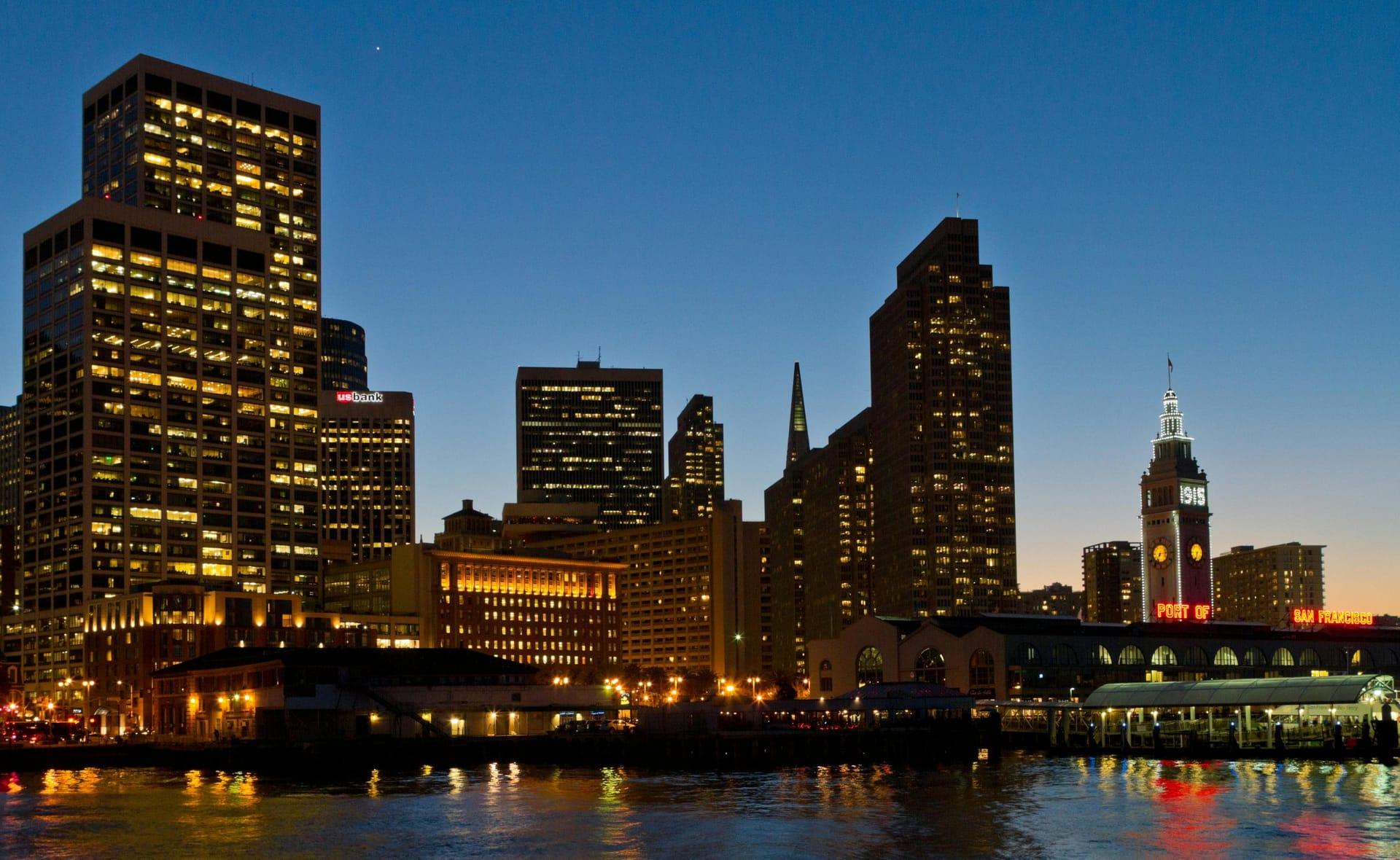
The Embarcadero and the Ferry Building clock tower at dusk, with lit Financial District office towers behind.

Symmetrical speeds on our own network

Download Speed0.00 Gbps
Upload Speed0.00 Gbps

Your building survey is free, and we size the circuit we quote from what it finds.

Getting a circuit into a building in San Francisco

In a San Francisco tower or mid-rise, a new circuit starts with four questions about the building: who controls the riser, who holds the roof rights, who signs for the work, and how a cable gets from the point of entry up to your suite. Our survey answers all four, then settles which of our three ways in fits.

  • Fiber, through the point of entry

    Where a fiber lateral already reaches the building, we light it and run the circuit from the point of entry up the riser to your suite, where you get an Ethernet handoff. With the fiber in place, the riser path is most of the remaining work.

  • Fixed wireless, from the roof down

    Where no lateral reaches the building, we mount a radio on the roof and bring its cable down through the building to your floor. It needs a clear sight line to our network and the owner’s permission to use the roof, and nothing gets dug up in the street.

  • Point-to-point, for an office that needs its own link

    When one office needs capacity it shares with no other tenant, we engineer a link from our network to that building alone and size it to the traffic your office moves.

A high-rise upgrade and a backup link that held

A high-rise brought up to date with minimal structural work, and its communication costs cut by over 50%.

We connected the building to our backbone, put Wi-Fi access points in its common areas, and extended fiber and Ethernet to EV charging stations that had no internet. Our VoIP service modernized the back-office phones, the intercoms and the vendor systems, package lockers included. Wherever we could, we rerouted and extended the Ethernet cabling already in the building.

Seamless Connectivity Upgrade for High Rise Efficiency and Modernization
A backup path that kept a round-the-clock operation online when the fiber failed.

The client’s two internet providers depended on the same long-haul fiber, so a single break would take down both. We engineered a point-to-point wireless link that skipped that fiber and ran straight to our nearest major point of presence: more than 2 Gbps symmetrical, at under 19ms. A year and a half after we built it, a major cut caused an extended regional outage and took out the primary circuits. Traffic failed over to our link automatically, and the client had no downtime.

Reliable Redundancy for 24/7 Enterprise Operations

Office towers, mid-rises and ground-floor storefronts

Every type of building puts its own approvals between you and an install date, and the owner holds most of them.

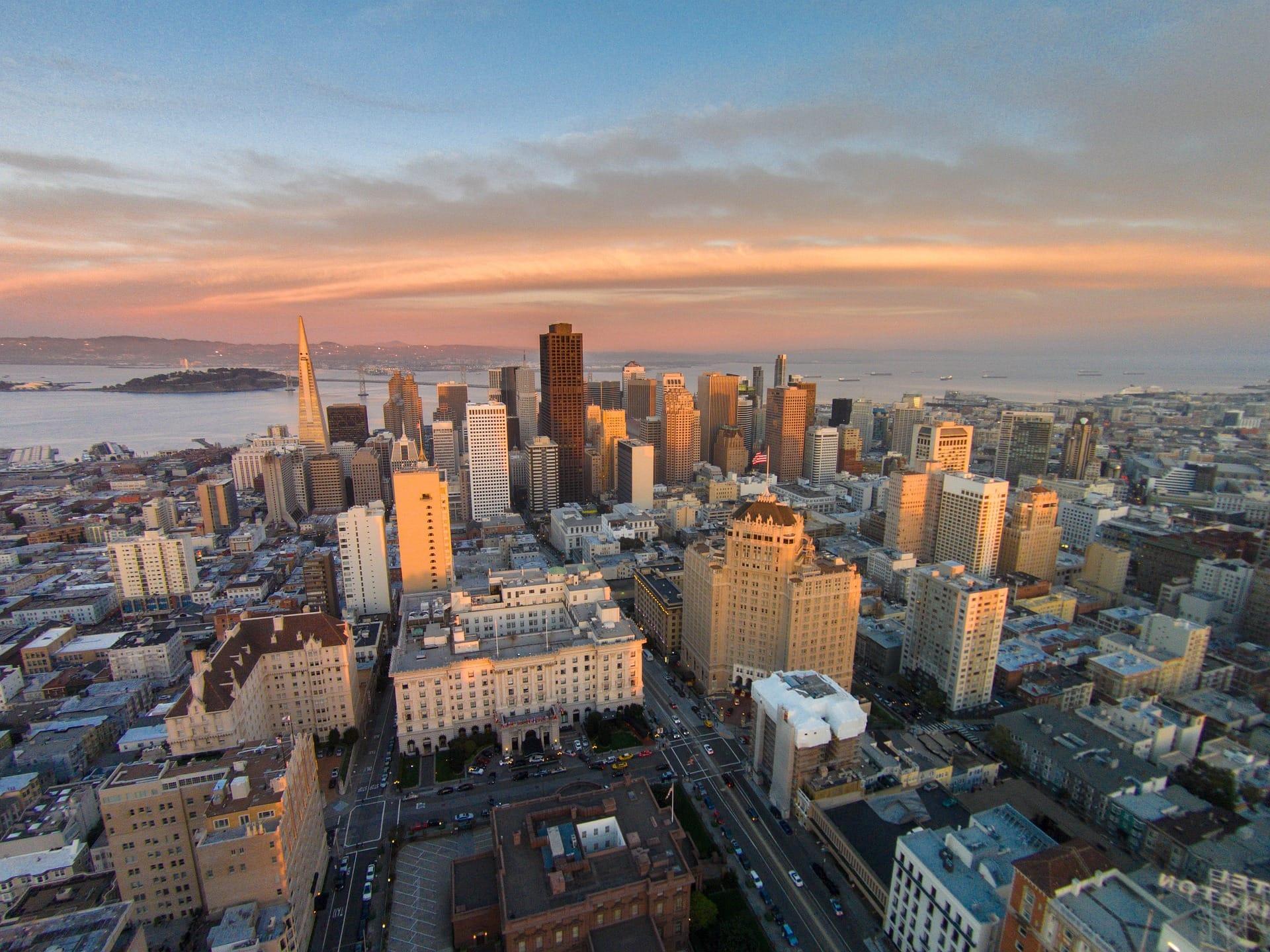
Downtown San Francisco office towers at sunset, seen from the air, with the bay behind them.

Office towers

A tower’s riser, telecom closets and roof belong to the building, and the property manager signs for access to each. Your date turns on the route the circuit takes from the point of entry to your floor, up the existing riser or down from a radio on the roof, and on how soon the building approves it.

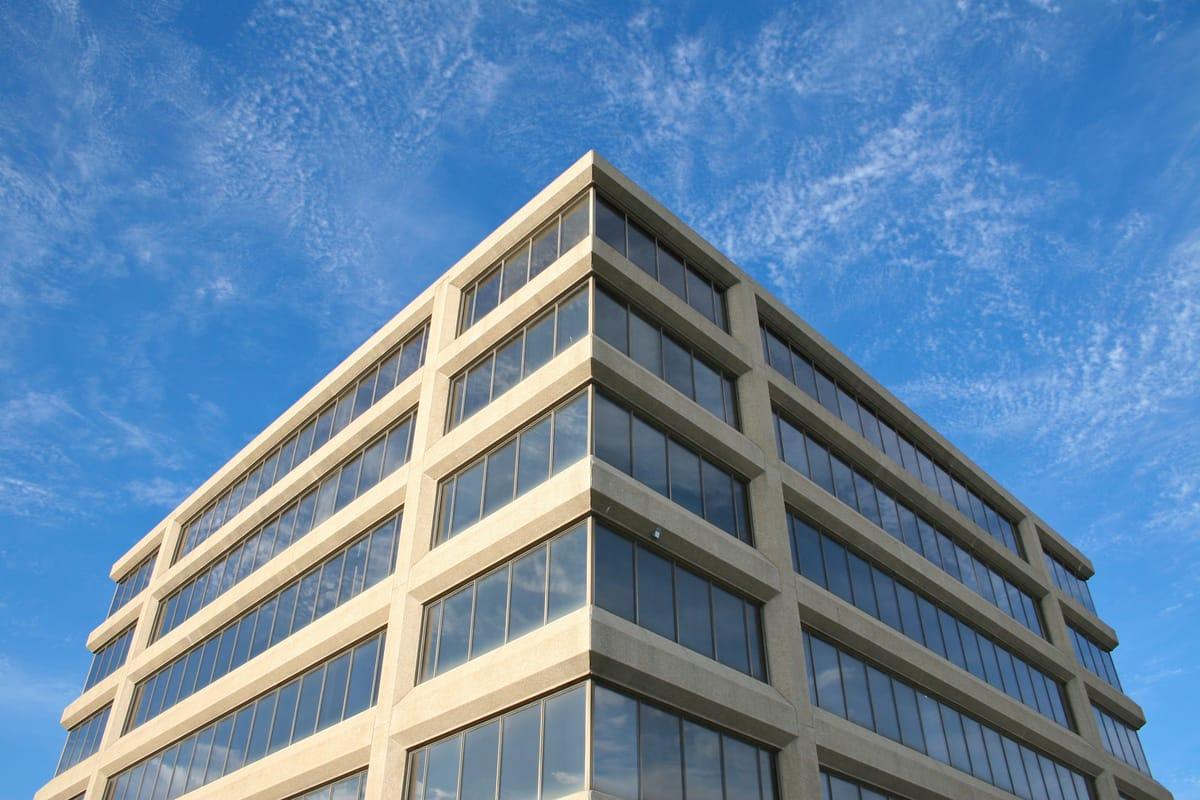
The corner of a six-story office building with bands of windows, against a blue sky.

Mid-rise multi-tenant buildings

A mid-rise roof can sit below its neighbors, so the survey starts by checking whether a radio up there would have a clear line of sight to our network, or whether a fiber lateral is the better way in. The owner approves the roof mount or the cable path to your suite, and the install is scheduled once that approval comes through.

Three arched ground-floor windows in a red brick wall, with flower boxes on the rail and orange floor lamps inside.

Ground-floor retail and restaurants

Card payments, online orders and guest Wi-Fi all run over a shop’s or restaurant’s connection. When a fiber lateral reaches the building, a street-level space sits close to where it comes in, so the cable run to you is short. If service has to come from a radio, it goes on a roof the owner controls, and its cable comes down past every floor above you.

A San Francisco fire panel on copper may need a new path by 2027

AT&T’s filing names seven central offices in the city, among them Folsom Street, McCoppin, 9th Avenue and UC Med Center. In a tower, every fire panel and elevator cab still on copper needs its new path installed and tested before the old line goes.

Under the filing, AT&T can stop the service no earlier than June 1, 2027.

San Francisco business internet questions

Yes. We serve all three and offices anywhere else in San Francisco, as part of the business internet we run across the Bay Area.

Yes, and upload matches download at every tier. The building decides how that capacity arrives. Over a fiber lateral, we bring the tier you order into the building and carry it up to your floor. Over the air, we engineer a point-to-point link to the roof for the capacity you need, up to 10 Gbps.

Access for the survey: the point of entry where outside cables come in, the riser, the telecom closets and the roof. From that visit we show you the route our cable would take to each suite that orders service and where any roof equipment would go. Once you approve both, we set the install date.

Then we look at fiber, which needs no roof. Where a lateral reaches the building, we bring service in through it and up the riser, so the owner approves a cable path and nothing goes on the roof. The survey checks for a lateral and for the roof’s line of sight in the same visit, so you know both options before you ask.

Usually, yes, on a SIP trunk, which carries voice channels over your internet circuit into the PBX you already own, so the handsets and the dial plan stay as they are. Tell us the PBX make and model, and we will confirm whether we can connect it. Three things shape the setup: what your PBX supports, how many calls run at once, and which numbers need to port. Our guide to SIP trunking in San Francisco covers each of them.

Send us the address before you send us the requirement

Give us the street address, your floor and the name of the property manager. We work out how a circuit gets into the building and up to you, then come back with the speed that route carries and what the building has to approve.